Work-Related Musculoskeletal Disorders: How Physiotherapy Can Help
Work-related musculoskeletal disorders (WMSDs) are a common cause of disability and pain that affect millions of workers worldwide. These conditions, which include repetitive strain injuries, back pain, and carpal tunnel syndrome, can significantly impact productivity and quality of life. At Healing Haven Physiotherapy, we believe that physiotherapy can play a crucial role in managing and preventing these disorders.
Understanding Work-Related Musculoskeletal Disorders
WMSDs are conditions that affect the muscles, ligaments, tendons, and nerves, usually caused by repetitive motions, awkward postures, or heavy lifting at work. These can lead to various symptoms like pain, stiffness, swelling, and reduced mobility, making it difficult to carry out daily tasks.
The Role of Physiotherapy in WMSDs Management
Physiotherapy is a holistic approach that helps manage WMSDs by addressing the root causes of the problem rather than just treating the symptoms. It involves several techniques such as manual therapy, exercises, and education about good posture and ergonomics.
Targeted Exercises
Physiotherapy programs for WMSDs usually involve specific exercises designed to strengthen the affected areas, improve flexibility, and enhance functional capacity. These exercises can help reduce pain and inflammation, increase range of motion, and improve muscle strength and endurance.
Manual Therapy
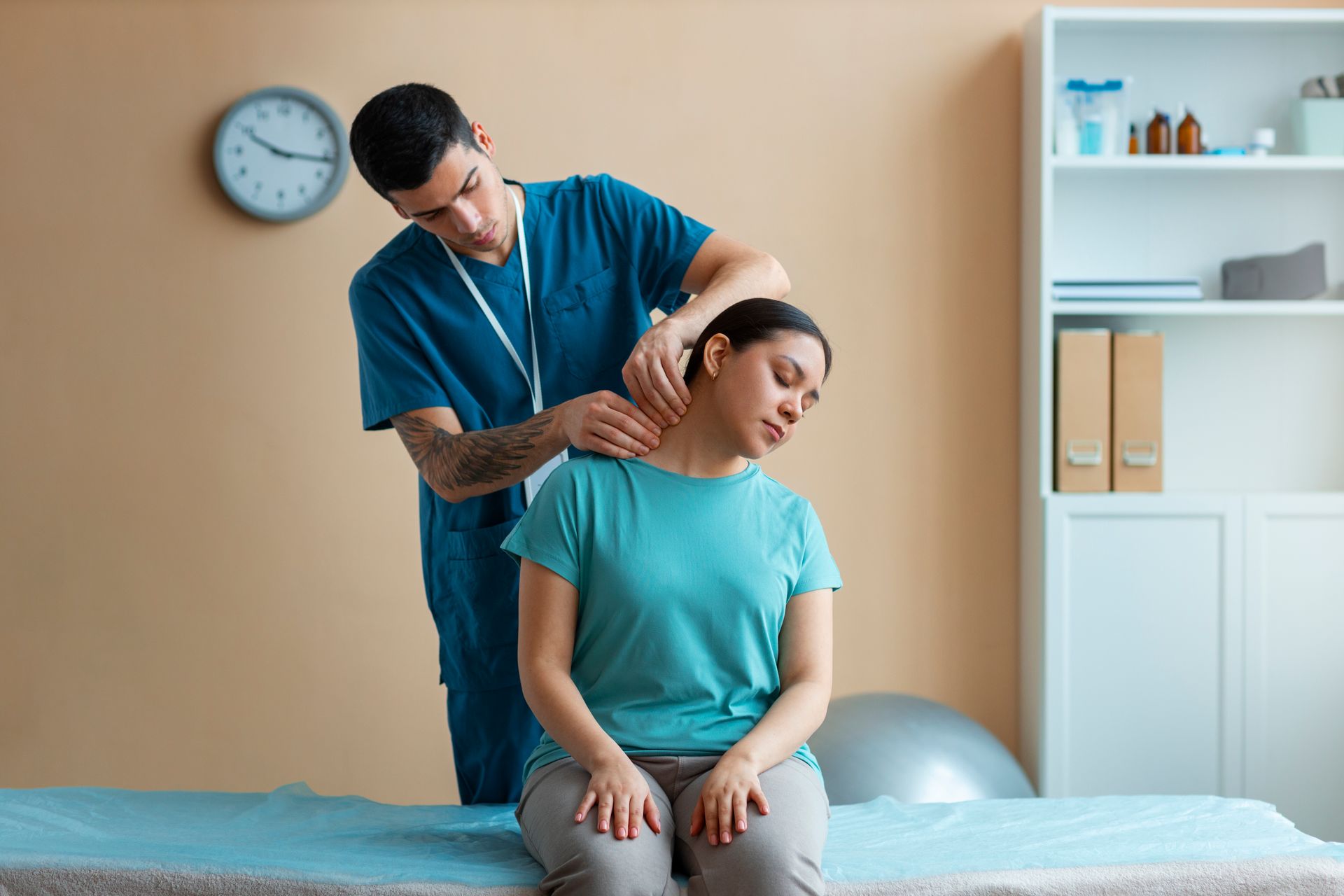
Manual therapy includes hands-on techniques like joint mobilization, soft tissue massage, and stretching, which can help relieve pain, enhance mobility, and improve function.
Education on Ergonomics
One of the main contributing factors to WMSDs is poor ergonomics at the workplace. A physiotherapist can educate you about proper workplace ergonomics, including correct sitting posture, desk setup, and ways to take frequent breaks.
Preventive Care
Physiotherapy can also play a significant role in preventing WMSDs by teaching workers the correct way to lift heavy objects, encouraging regular movement, and promoting a healthy lifestyle.
Why Choose Healing Haven Physiotherapy
At Healing Haven Physiotherapy, our expert therapists will work with you to develop a personalized treatment plan that addresses your specific needs and goals. We are committed to helping you regain your mobility, reduce your pain, and enhance your overall quality of life.
If you're struggling with a work-related musculoskeletal disorder, don't wait for the symptoms to worsen. Physiotherapy can provide relief and help prevent further complications. Contact us today at Healing Haven Physiotherapy to book an appointment with our experienced therapists, and let's start your journey to recovery together.
Are you struggling with a work-related musculoskeletal disorder? Don't let it affect your work and life anymore. Contact Healing Haven Physiotherapy today, and let's start your journey to a pain-free life.