Taming TMJ Pain: Physiotherapy Techniques for Improving Jaw Function
Temporomandibular joint (TMJ) disorders affect millions of people, causing discomfort and difficulties in performing everyday tasks like talking, eating, and even sleeping. If you're experiencing jaw pain, stiffness, or clicking sounds when you move your mouth, physiotherapy can help you find relief and improve your jaw function. In this blog post, we'll discuss some of the common causes of TMJ pain and how physiotherapy at Healing Haven Physiotherapy can help you regain control over your life. Contact us today to schedule a consultation with one of our expert therapists.
What Causes TMJ Disorders?
TMJ disorders can be caused by a variety of factors, including:
1. Muscular tension or imbalances: Overuse or strain of the jaw muscles can lead to discomfort and dysfunction.
2. Joint damage or degeneration: Accidents, injuries, or aging can cause changes in the temporomandibular joint, leading to pain and limited movement.
3. Poor posture: Slouching or hunching over can cause strain on the jaw and surrounding muscles, contributing to TMJ pain.
4. Stress and anxiety: When you're feeling stressed, you may unconsciously clench or grind your teeth, which can exacerbate TMJ symptoms.
5. Dental issues: Misaligned teeth or poorly fitting dental appliances can negatively impact jaw function and contribute to TMJ pain.
Physiotherapy Techniques for TMJ Relief
At Healing Haven Physiotherapy, our skilled therapists use a variety of evidence-based techniques to help you manage your TMJ disorder effectively. Here are some key approaches we use:
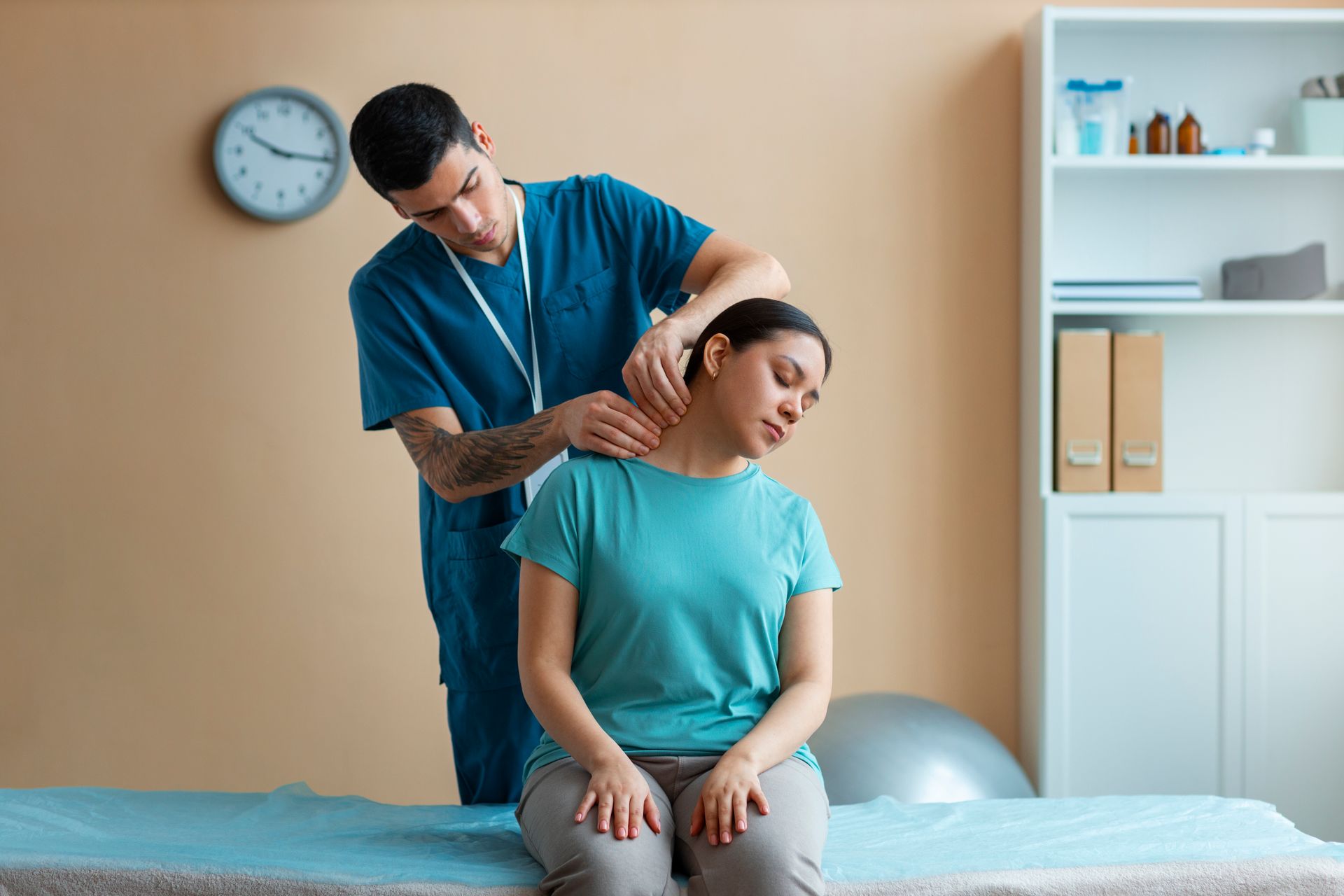
1. Manual therapy: Our therapists use gentle hands-on techniques to mobilize and release tight jaw muscles and tissues, reducing pain and improving range of motion. This may include techniques like massage, stretching, and joint mobilization.
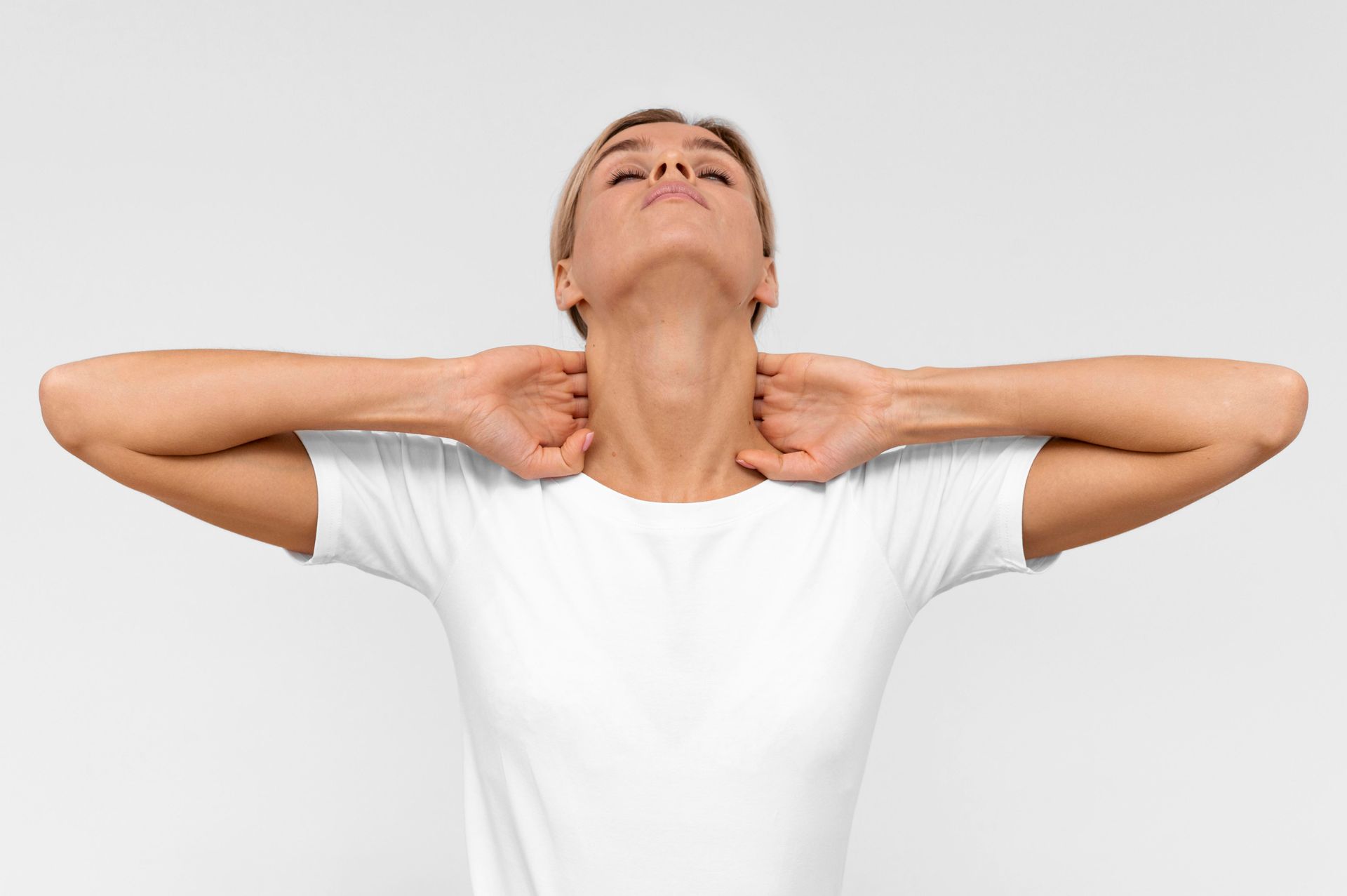
2. Posture correction: We'll assess your posture and provide guidance on how to make adjustments that will relieve strain on your jaw and surrounding muscles. This may involve ergonomic assessments or recommendations on how to optimize your work or sleep environment.
3. Stress management: Since stress can contribute to TMJ pain, we'll work with you to develop strategies for managing stress more effectively. This may include relaxation techniques, deep breathing exercises, or mindfulness practices.
4. Exercise prescription: We'll design a personalized exercise program to help strengthen and balance your jaw muscles, which can reduce pain and improve function. These exercises may include isometric contractions, stretching, or strengthening routines.
5. Education and self-management: Our therapists will provide you with essential information and advice on how to manage your TMJ disorder at home, including tips on proper jaw mechanics, jaw relaxation techniques, and when to seek professional help.
Results You Can Expect
With consistent physiotherapy treatment at Healing Haven Physiotherapy, you can expect:
- Reduced pain and discomfort in the jaw and surrounding areas
- Improved jaw function, including more natural and comfortable movement
- Better posture and reduced strain on your neck, shoulders, and back
- Greater ability to manage your TMJ symptoms at home
- Enhanced quality of life as you regain the ability to participate in activities that were once limited by TMJ pain
Don't let TMJ pain dictate your life any longer. At Healing Haven Physiotherapy, our expert therapists are dedicated to helping you find relief and regain control over your jaw function. Contact us today to schedule a consultation and begin your journey towards a pain-free life.