Physiotherapy for TMJ Dysfunction: Techniques and Exercises for Relief
Are you constantly struggling with jaw pain, headaches, or facial discomfort? These are all possible symptoms of temporomandibular joint (TMJ) dysfunction, a condition that affects the joint connecting the jawbone to the skull. Fortunately, physiotherapy interventions can provide significant relief and restore functionality. At Healing Haven Physiotherapy, we believe in creating personalized treatment plans to help you regain control of your health and wellbeing.
Understanding TMJ Dysfunction
TMJ dysfunction occurs due to various reasons, including injury to the jaw, teeth grinding, arthritis, and even poor posture. The condition can cause persistent pain and discomfort, making it difficult to eat, talk, or do anything that involves moving the jaw.
How Can Physiotherapy Help?
Physiotherapy approaches for managing TMJ dysfunction aim at relieving discomfort, improving jaw function, and preventing the recurrence of symptoms. Individual treatment plans can include exercises, manual therapy, and education about lifestyle adjustments.
Physiotherapy Techniques for TMJ Dysfunction
Physiotherapists use several techniques to treat TMJ dysfunction, including:
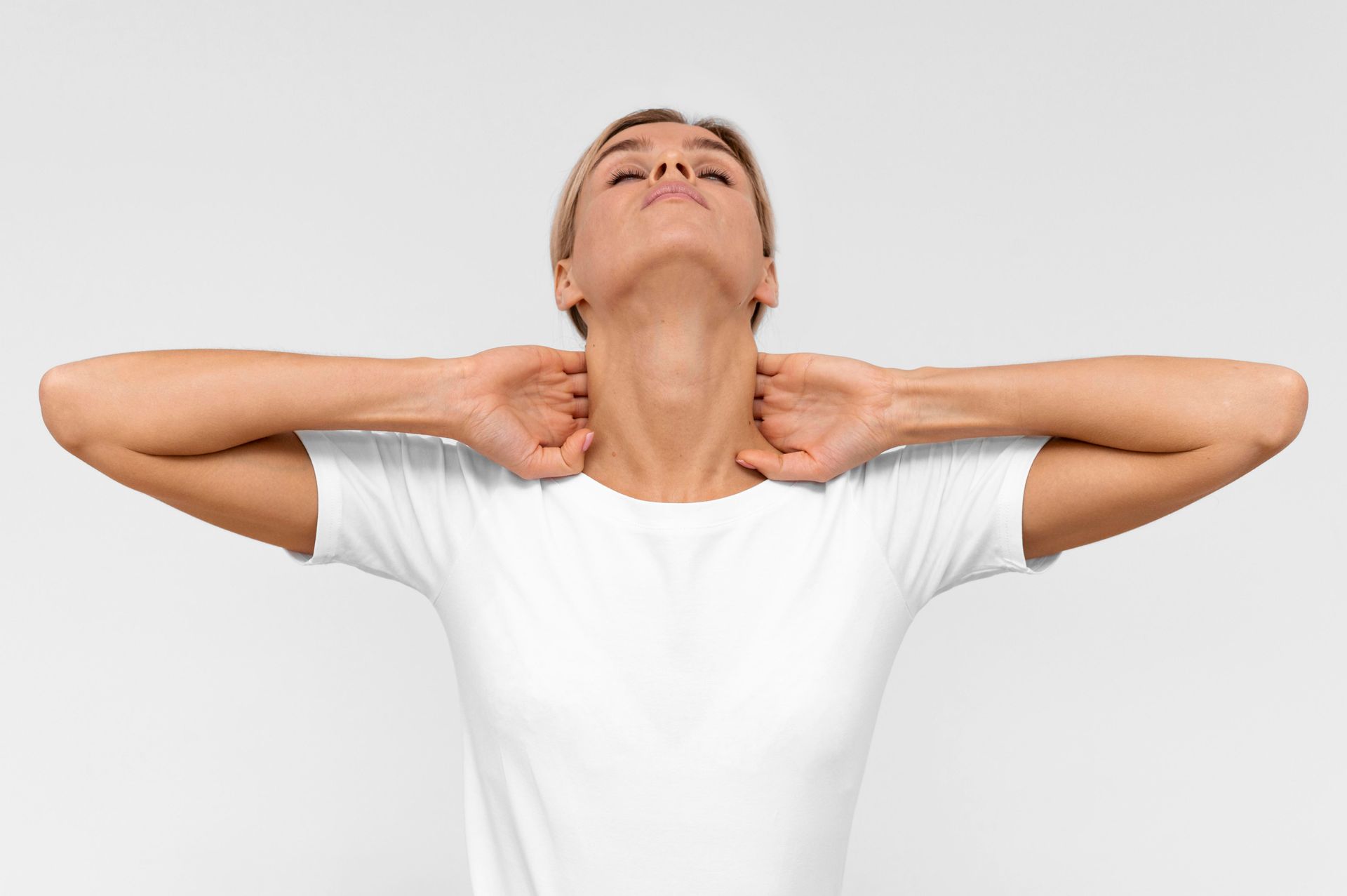
Manual Therapy: This hands-on technique involves massaging and manipulating the muscles and joints in your neck, head, and jaw to reduce tension and improve mobility.
Dry Needling/Intramuscular Stimulation (IMS): This process involves inserting thin needles into specific muscles to alleviate tightness and pain.
Posture Education: Poor posture often contributes to TMJ dysfunction. Physiotherapists can educate you on good posture habits to maintain neck, shoulder, and jaw alignment.
Exercises for TMJ Dysfunction
Physiotherapists can also recommend specific exercises to strengthen your jaw muscles and increase flexibility. Below are some examples:
Relaxed Jaw Exercise: Keep your tongue gently touching the roof of your mouth behind your top front teeth, allowing the jaw to drop and relax.
Chin Tucks: While keeping your spine against a wall, slowly draw your chin in towards your throat, hold for a few seconds, and then release.
Jaw Stretching: This exercise involves opening your mouth wide and then closing it slowly, repeating the process several times.
Take Control of Your Health
At Healing Haven Physiotherapy, we believe that education and self-management are key components of successful treatment. As part of our commitment to patient-centric care, we not only aim to relieve your immediate discomfort but also empower you with the knowledge and tools to manage your symptoms effectively.
Our team of highly-trained professionals is committed to understanding your needs and working closely with you to develop a customized treatment plan. Don't let TMJ dysfunction disrupt your quality of life. Reach out to us today and let our dedicated team help you on your path to recovery and wellbeing.
Are you ready to find relief from your TMJ pain? Contact Healing Haven Physiotherapy today to book your initial assessment. Your journey to a pain-free life starts with us.