How Physiotherapists Treat Sciatica and Nerve Pain After a Motor Vehicle Accident
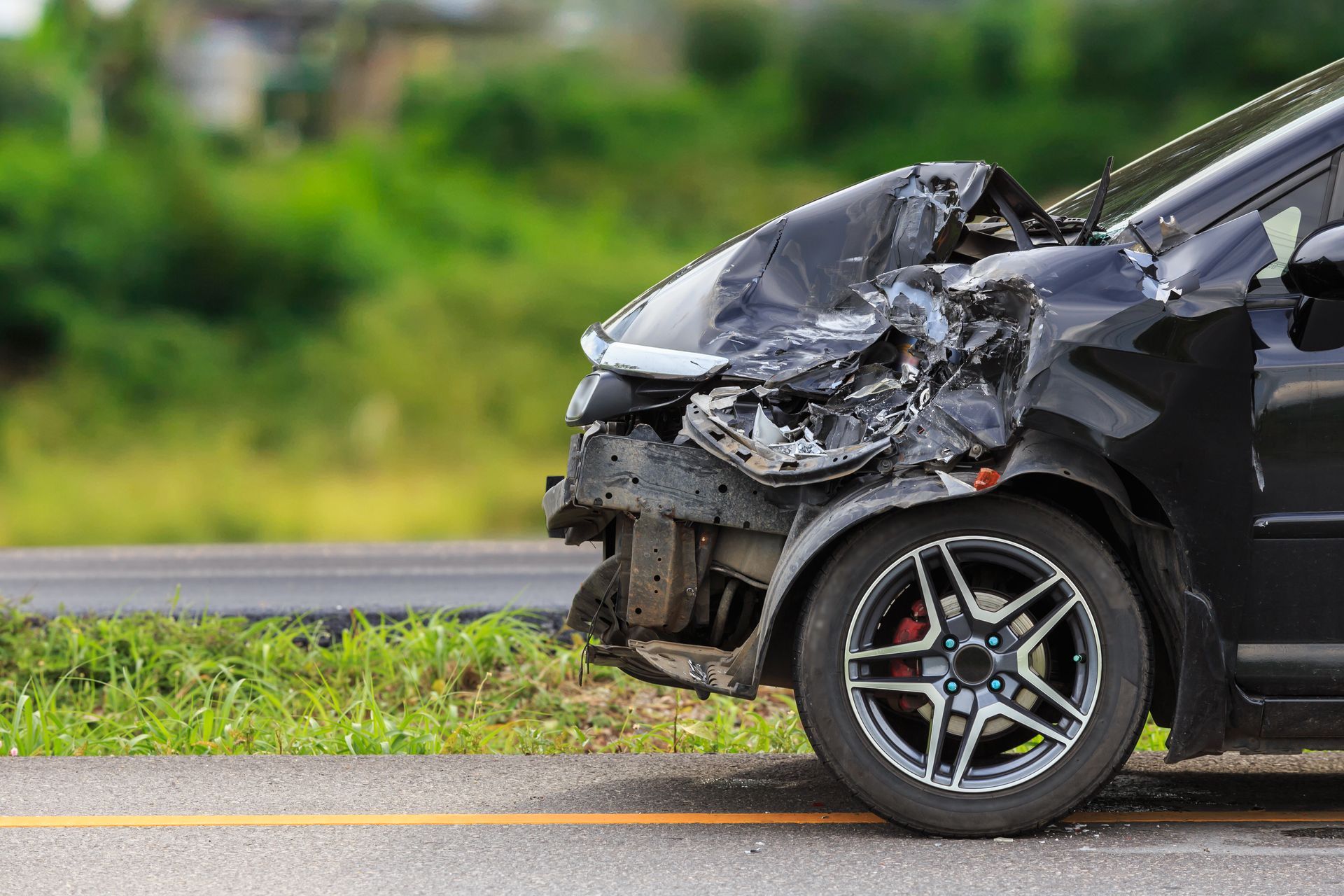
Motor vehicle accidents (MVAs) are a common cause of injuries in Edmonton, and while whiplash and neck pain often grab the headlines, sciatica and nerve pain can be just as debilitating for accident victims. Sciatica is nerve pain that runs from the lower back through your hips and buttocks, often radiating down the leg. After the trauma of a car accident, the delicate structures around your spine and pelvis can be jarred, compressed, or strained, putting additional pressure on the sciatic nerve or related nerve roots. At Healing Haven Physiotherapy, we specialize in post-accident care, providing targeted treatments for sciatica and other nerve pain to help you recover mobility, comfort, and peace of mind.
Why Seek Physiotherapy for Post-MVA Sciatica in Edmonton?
If you develop sharp, shooting pain down your leg, numbness, tingling, or weakness after a car accident, it’s essential to seek professional help. Motor vehicle collisions can cause or exacerbate:
- Herniated or bulging discs in the lower spine
- Muscle spasms or inflammation compressing nerve roots
- Misalignment or instability in the pelvis and lumbar region
- Scar tissue and soft-tissue tightness trapping nerves
These issues rarely resolve on their own. Early intervention with a physiotherapist experienced in MVA recovery can dramatically improve your recovery timeline, reduce the risk of chronic pain, and streamline your insurance claim process.
Comprehensive Assessment: The First Step to Targeted Relief
When you visit Healing Haven Physiotherapy for post-MVA nerve pain, your therapist begins with a thorough assessment, including:
- Review of your accident, injury details, and health history
- Detailed symptom mapping—when, where, and how nerve pain flares up
- Physical examination and functional movement screening
- Postural analysis and range of motion tests
- Checking for signs of whiplash, spinal trauma, and associated injuries
By understanding the specific ways your accident has affected your musculoskeletal and nervous systems, we can develop a fully customized recovery plan.
How We Treat Sciatica and Nerve Pain After an MVA
Once your assessment is complete, our team at Healing Haven uses a combination of evidence-based physiotherapy techniques tailored for post-accident recovery:
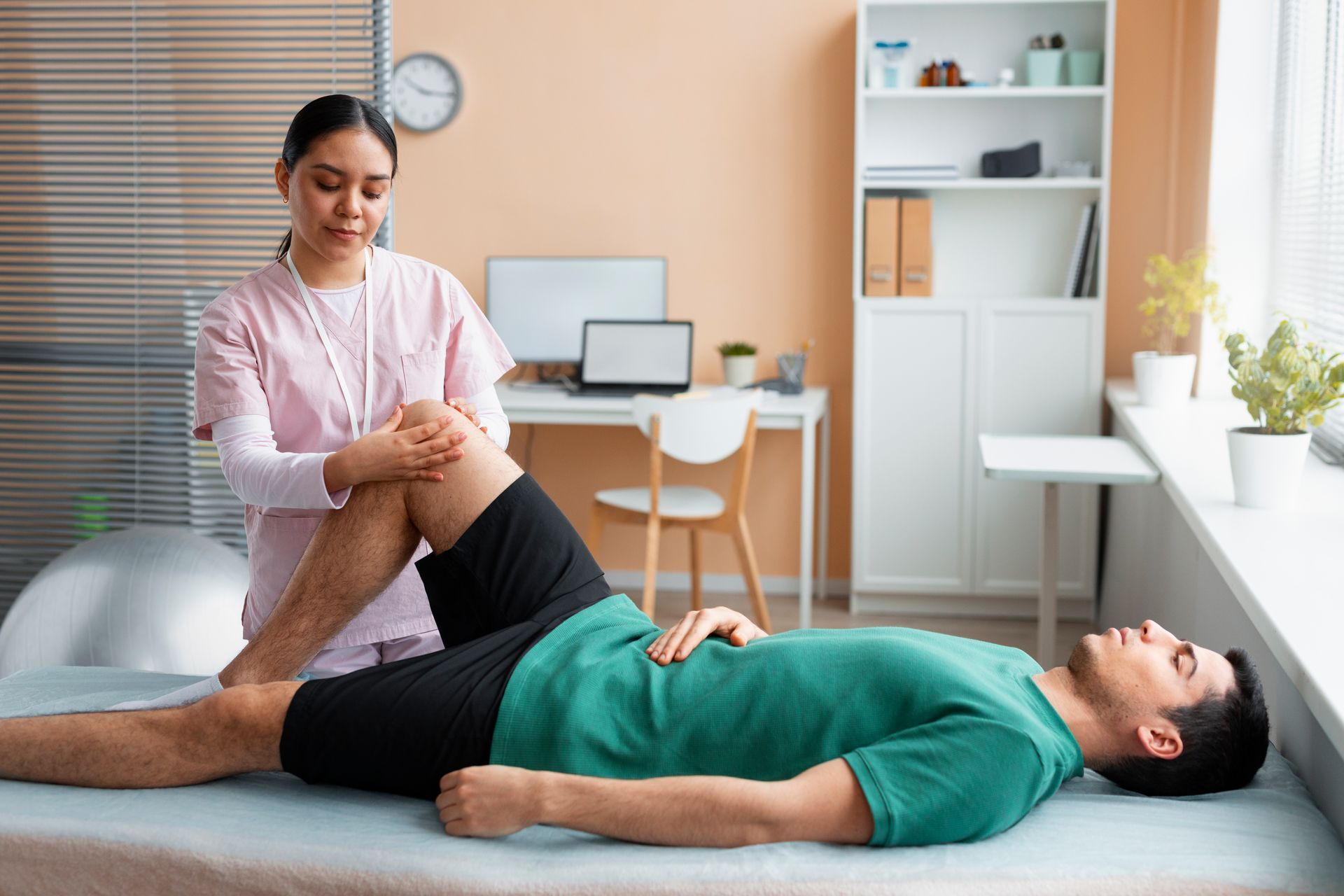
Manual Therapy and Mobilization
- Targeted joint mobilization to correct pelvic or spinal misalignments
- Hands-on soft tissue release for tense gluteal, piriformis, and lower back muscles
- Gentle stretching and mobilization of the sciatic nerve pathway
Pain Management Modalities
- Therapeutic ultrasound and TENS for inflammation and nerve pain relief
- Application of hot/cold packs to manage acute discomfort
- Safe dry needling for muscle spasm if appropriate
Individualized Exercise Programs
- Gentle stretching routines for the lower back, hips, and legs
- Activation and strengthening of core muscles to protect the spine
- Progressive functional exercises that help restore balance, posture, and walking confidence
Education and Home Strategies
- Teaching safe postures and lifting techniques for daily activities and work
- Ergonomic advice for sitting, driving, and computer work during recovery
- Home-based exercises to maintain progress and manage flare-ups
Insurance Navigation and MVA Rehabilitation Expertise in Edmonton
Healing Haven Physiotherapy understands the complexities of accident claims in Alberta. We work closely with your doctor and insurance provider to ensure:
- Proper documentation of your injury and treatment plan
- Direct billing to auto insurance providers (when eligible)
- Communication and coordination for a seamless, less stressful recovery
Our team is authorized by WCB and experienced with major insurers, so you can focus on healing instead of paperwork.
What Makes Sciatica After a Car Accident Unique?
Sciatica that follows an MVA often presents with additional complexities compared to everyday cases. You may experience:
- Concurrent whiplash or upper body injuries affecting your posture and movement patterns
- Heightened muscle guarding and anxiety after trauma
- Prolonged or more severe inflammation
- Multiple areas of pain or nerve involvement
Because post-accident nerve pain often involves more than one injury, it’s vital to work with a physiotherapist skilled in whole-body rehabilitation and injury interconnections.
When to Seek Physiotherapy for Post-MVA Nerve Pain
You should book an assessment with Healing Haven Physiotherapy if you experience any of the following after a car accident:
- Persistent low back, hip, or leg pain
- Burning, tingling, or numbness in the limbs
- New onset of shooting pain after your accident
- Weakness in the leg or trouble standing/walking
- Difficulty returning to routines at home, work, or recreation
Early treatment not only speeds up your recovery but also helps prevent pain from becoming chronic.
Take Control of Your Post-Accident Recovery Today
If you’re struggling with sciatica or nerve pain after a car accident, Healing Haven Physiotherapy in Edmonton is here for you. Our expert therapists provide prompt, compassionate care that targets the source of your pain, supports your insurance needs, and restores your confidence in movement. Don’t let nerve pain slow you down—book your thorough assessment today and start your personalized journey toward pain-free, active living after an MVA. Contact our team now to schedule your visit.