Women's Health Spotlight: Addressing Pelvic Floor Issues Through Physiotherapy
Pelvic floor issues are a common concern among women, affecting millions worldwide. Although these issues can impact quality of life, many women hesitate to discuss them with their healthcare providers. This blog post will shine a light on pelvic floor problems and explain how physiotherapy can help manage and treat these conditions. Let's start by understanding what the pelvic floor is and why it's essential for women's health.
What is the Pelvic Floor?
The pelvic floor is a group of muscles, ligaments, and tissues that form a supportive sling at the base of the pelvis. These muscles play a vital role in maintaining the proper function of the bladder, bowel, and uterus. Some common issues related to the pelvic floor include incontinence and pelvic organ prolapse.
Common Pelvic Floor Issues
1. Urinary Incontinence: This is the involuntary leakage of urine due to weakened pelvic floor muscles. Factors contributing to this issue may vary, including pregnancy, childbirth, and menopause.
2. Pelvic Organ Prolapse: This occurs when pelvic organs, such as the bladder or uterus, descend due to weak pelvic floor muscles. Symptoms include heaviness or pressure in the pelvic area and difficulty with urination or bowel movements.
How Physiotherapy Can Help
Pelvic floor physiotherapy is a specialized branch of physiotherapy that focuses on addressing issues related to the pelvic floor. It can help women regain control over their pelvic muscles, alleviate incontinence issues, and prevent pelvic organ prolapse.
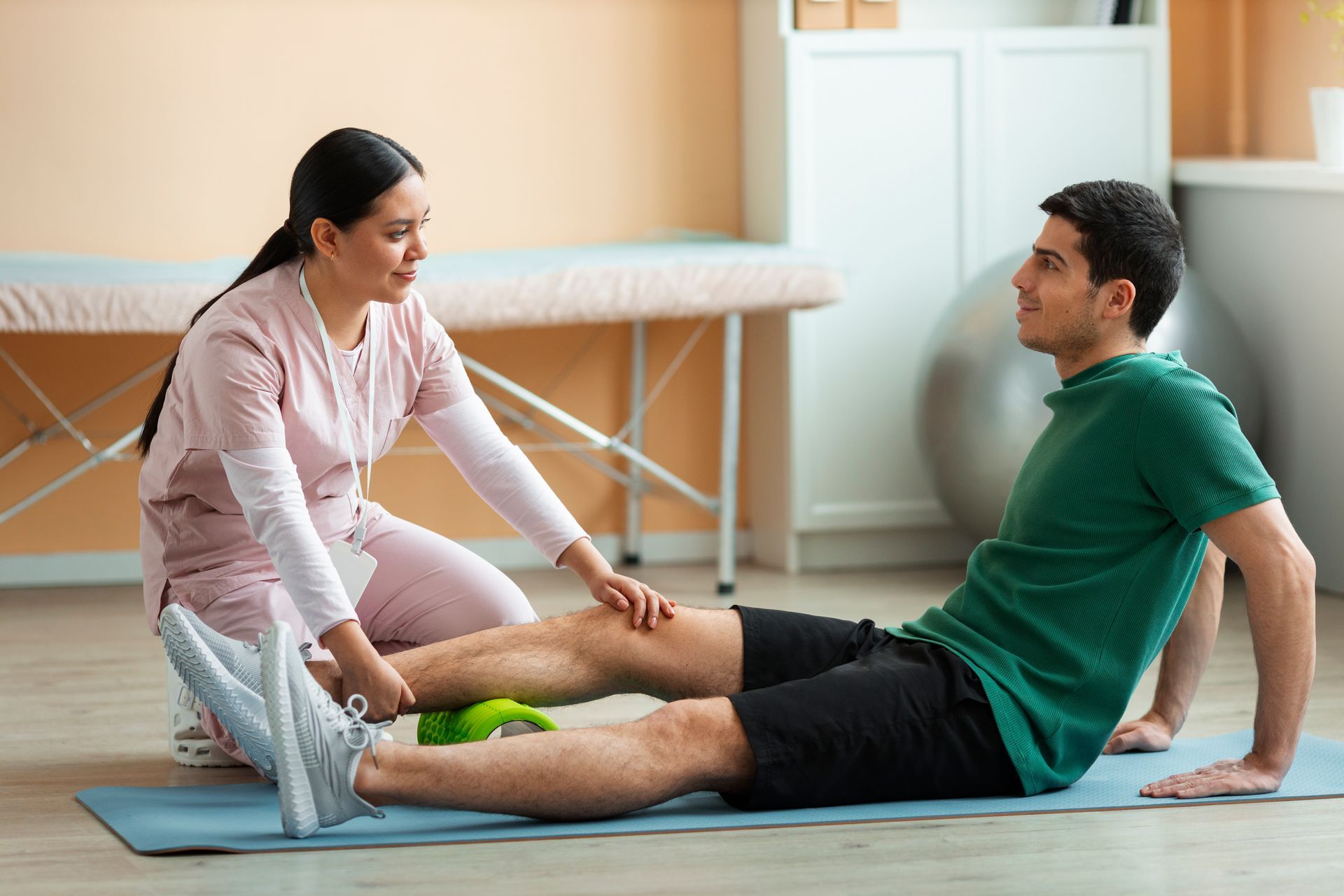
1. Pelvic Floor Muscle Training: Physiotherapists will teach you how to perform pelvic floor muscle exercises correctly, ensuring that you target the right muscles. These exercises are essential in strengthening the pelvic floor muscles and improving their function.
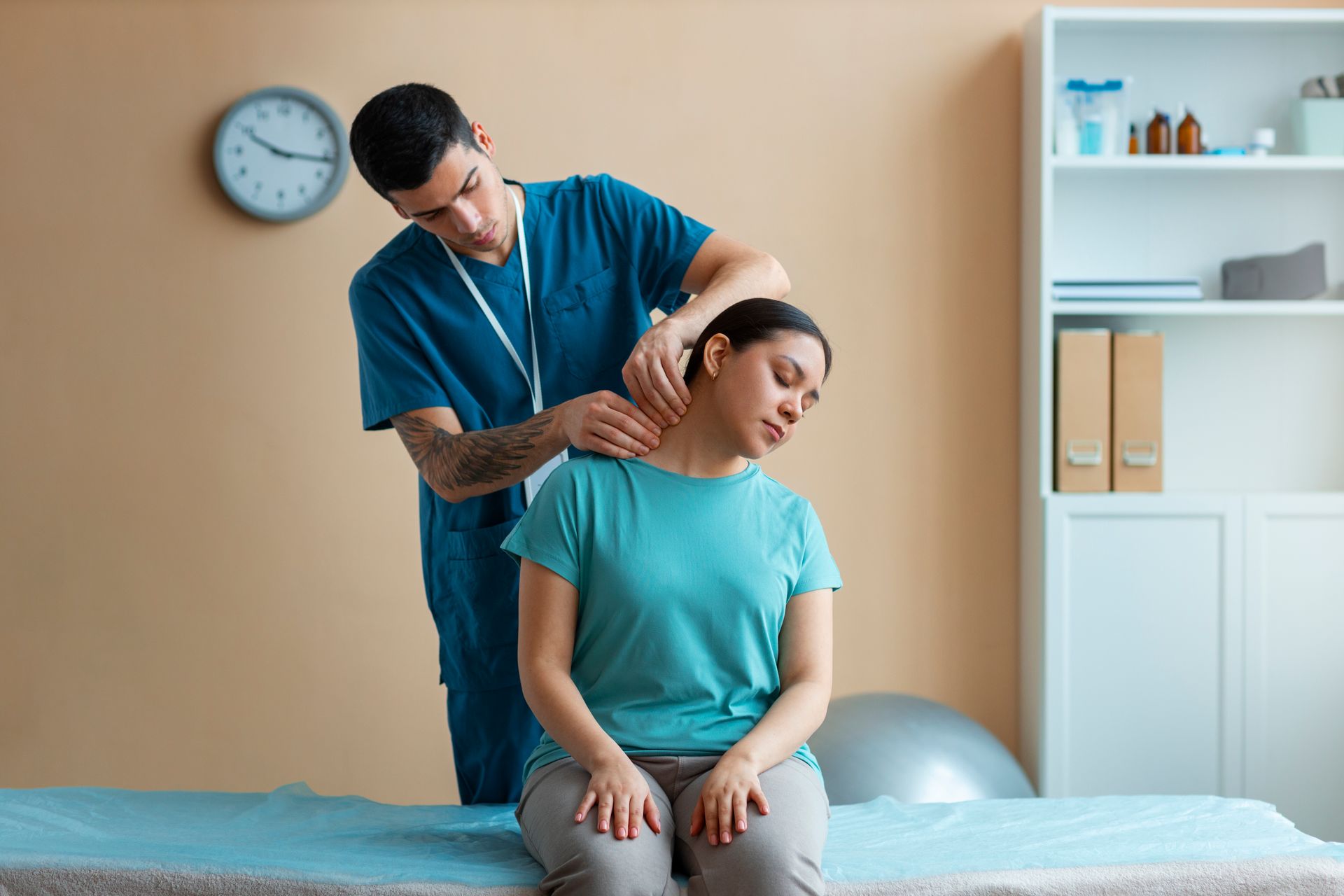
2. Manual Therapy: Manual therapy involves applying manual pressure to the pelvic floor muscles to release tension and improve muscle function. This technique helps reduce pain and discomfort associated with pelvic floor dysfunction.
3. Biofeedback: Biofeedback is a technique used to teach patients how to control and coordinate their pelvic floor muscles. It involves using sensors to monitor muscle activity, providing real-time feedback on muscle contractions.
4. Lifestyle and Nutrition Counseling: A physiotherapist can provide guidance on lifestyle and nutritional factors that may impact pelvic health. This counseling may include recommendations for maintaining a healthy weight, managing constipation, and avoiding activities that strain the pelvic floor muscles.
The Benefits of Pelvic Floor Physiotherapy
1. Improved Bladder and Bowel Control: Strengthening the pelvic floor muscles can help women regain control over their bladder and bowel functions, reducing the risk of incontinence and other issues.
2. Reduced Pain and Discomfort: Physiotherapy can help alleviate pain and discomfort associated with various pelvic floor issues, including pelvic organ prolapse and dyspareunia (pain during intercourse).
3. Enhanced Sexual Function: Strengthening the pelvic floor muscles can lead to increased sensation and improved sexual function during intimacy.
4. Prevention of Future Issues: Through education and targeted exercises, physiotherapy can help women prevent future pelvic floor issues and maintain overall pelvic health.
Pelvic floor issues can significantly impact a woman's quality of life, but physiotherapy can provide a solution. By working with a skilled physiotherapist, women can address pelvic floor dysfunction, improve their symptoms, and regain control over their bodies. If you're struggling with pelvic floor issues, don't hesitate to seek help. Contact Healing Haven Physiotherapy today to learn more about our Women's (Pelvic) Health services and how we can help you achieve overall pelvic health.