Spring Break Sports + Car Accidents: Treating Concussion and Neck Pain
March in Edmonton often means spring break travel, tournaments, and busy community rinks and gyms. It can also mean unpredictable roads, late-night driving, and more risk of both sports injuries and motor vehicle accidents (MVAs). Two issues we commonly see after these events are concussion symptoms and neck pain, and they’re often connected. If you or your teen feels dizzy, foggy, or headache-prone after a hit on the ice or a car accident, getting assessed early can speed recovery and reduce long-term problems.
At Healing Haven Physiotherapy, we provide concussion management, vestibular rehab, and whiplash treatment in Edmonton and South Edmonton. We also support MVA claims paperwork and direct bill many major auto insurance companies.
Why Concussion And Neck Pain Often Show Up Together
A concussion is a mild traumatic brain injury caused by a blow or jolt to the head or body. In both sports and car accidents, the head can move rapidly, and that movement can strain the neck at the same time. This matters because neck injuries can cause symptoms that mimic concussion: headaches, dizziness, nausea, and trouble concentrating.
If the neck isn’t assessed, recovery can stall. Treating both the brain-related and neck-related contributors is often the difference between “waiting it out” and getting back to school, work, and sport with confidence.
Common Symptoms After Sports Impacts Or MVAs
Symptoms can show up immediately or evolve over the next 24–72 hours. Pay attention to combinations, not just one symptom.
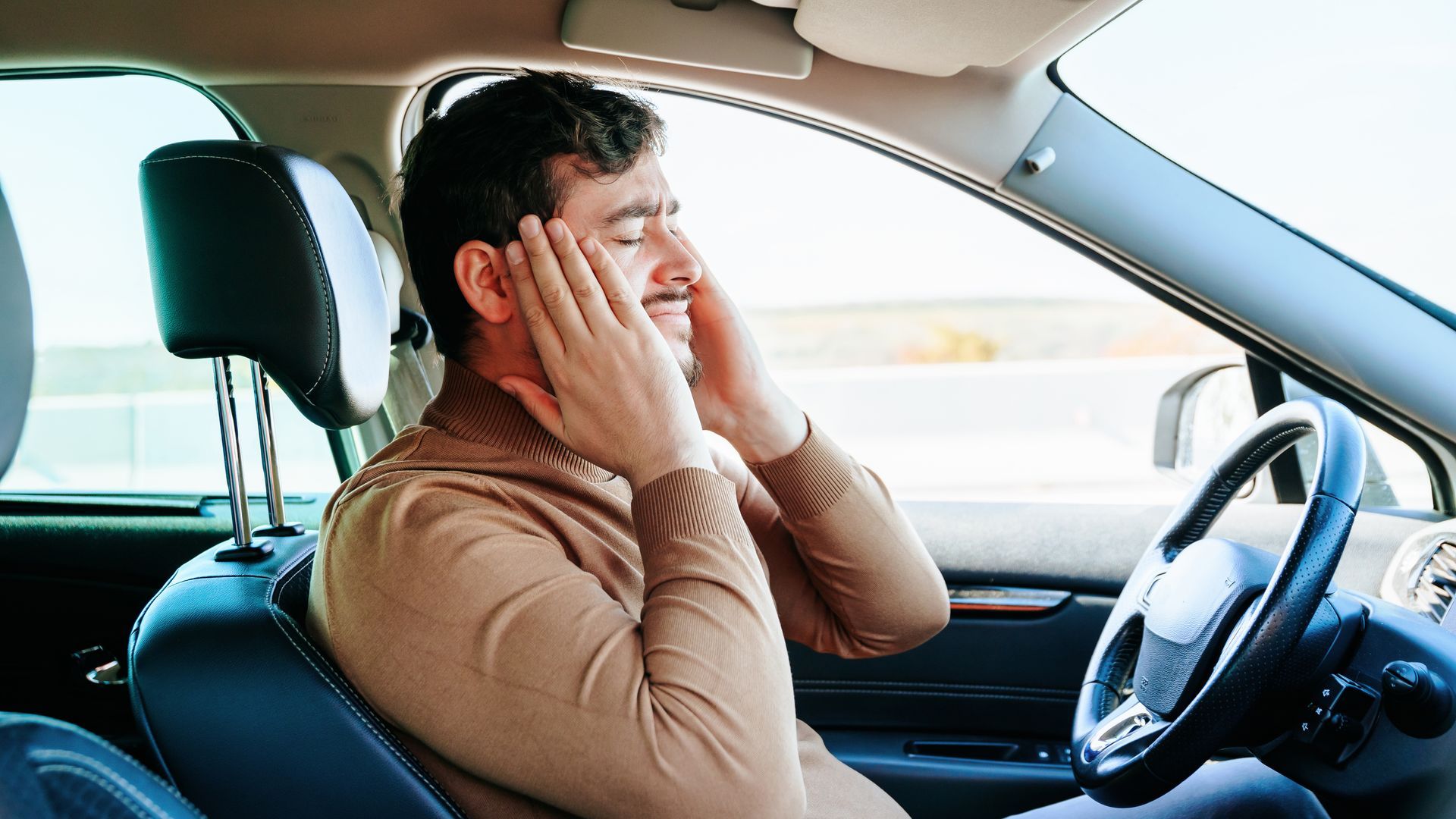
Common concussion symptoms include:
- Headache or pressure in the head
- Dizziness, balance problems, or nausea
- Sensitivity to light or noise
- Brain fog, slowed thinking, difficulty concentrating
- Sleep changes, fatigue, irritability or anxiety
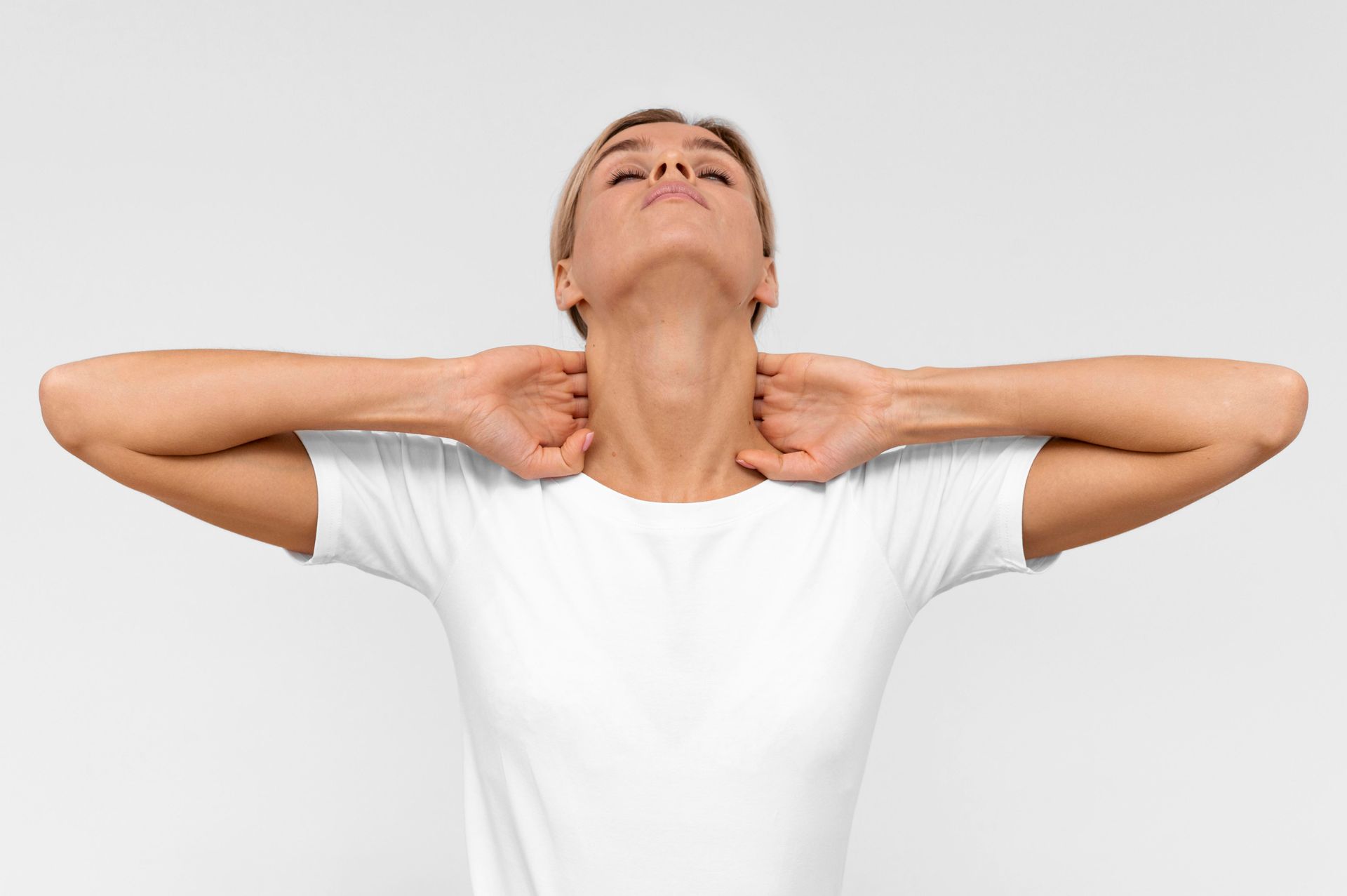
Common neck-related symptoms include:
- Neck stiffness and reduced range of motion
- Headaches starting at the base of the skull
- Shoulder or upper back tightness
- Pain that increases with looking down at a phone or working at a computer
- Symptoms triggered by driving or checking blind spots
When in doubt, get assessed. Early guidance can prevent you from doing too much too soon, or resting too long and becoming deconditioned.
People Also Ask: How Long Do Concussion Symptoms Last?
A common question is how long concussion symptoms last. Many people improve within days to a few weeks, but timelines vary based on age, symptom load, sleep quality, stress, and whether there’s associated neck or vestibular involvement. If symptoms persist beyond expected timelines, it doesn’t mean you’re “stuck forever.” It often means specific systems need targeted rehab, such as neck mobility, balance, or visual motion sensitivity.
What To Do In The First 48 Hours
The best early approach is “relative rest,” not strict dark-room isolation. That means avoiding symptom-spiking activities while staying gently active.
Try these early steps:
- Keep activity light and symptom-limited (short walks often help).
- Reduce screen time if it triggers headaches or dizziness.
- Prioritize hydration, regular meals, and consistent sleep.
- Avoid alcohol and high-risk activities.
- Get medical advice urgently if there is worsening headache, repeated vomiting, fainting, confusion, or new weakness.
If the injury occurred in a car accident, start your insurance claim promptly and document symptoms. Whiplash and concussion symptoms commonly overlap after an MVA.
How Physiotherapy Helps Concussion And Neck Pain Recovery
At Healing Haven Physiotherapy, your assessment includes screening for concussion signs, testing neck mobility and control, and checking vestibular function (balance, dizziness, and gaze stability) when indicated. Treatment is individualized and may include:
- Neck treatment: hands-on therapy, soft tissue work, and exercises for deep neck stability and posture
- Vestibular rehab: balance training, gaze stabilization, motion sensitivity progression
- Return-to-learn guidance: pacing strategies for schoolwork, screens, and homework
- Return-to-activity progression: step-by-step increases in exercise and sport demands
- Education: symptom tracking, sleep strategies, and what to avoid early
For muscle guarding and stubborn trigger points after whiplash, dry needling/IMS may be considered. Massage therapy can also support recovery by reducing protective tension, improving sleep comfort, and helping you tolerate rehabilitation.
Spring Break Scenarios We See In Edmonton
March injuries aren’t always dramatic. We often see:
- A minor rear-end collision on thawing roads leading to headaches and dizziness days later
- A hockey bump or fall that “didn’t seem bad,” followed by fogginess and neck stiffness
- A tournament weekend with long drives and poor sleep, amplifying symptoms
- Teens pushing back into practice too quickly because they “feel mostly fine”
- The earlier you get clear guidance, the less likely symptoms linger into April.
When To Book An Assessment
Book promptly if symptoms affect sleep, school, work, or driving, or if you notice:
- Dizziness or balance issues
- Headaches that are new or worsening
- Neck pain with reduced range of motion
- Visual sensitivity, nausea, or trouble concentrating
- Symptoms lasting longer than 10–14 days
Book Concussion And Whiplash Treatment In Edmonton
If spring break sports or a car accident has left you dealing with concussion symptoms and neck pain, Healing Haven Physiotherapy can help. We provide evidence-based concussion management, vestibular rehab, and whiplash treatment, plus support with MVA paperwork and direct billing to many major insurers. Contact us today to book your assessment and get a clear plan back to school, work, and sport.a