Daylight Saving Time & Driving Fatigue: Reduce Crash Risk and Pain
When the clocks spring forward in March, most of us in Edmonton lose an hour of sleep overnight. It doesn’t sound like much, but that one-hour shift can affect reaction time, attention, mood, and even muscle tension. Add in Edmonton’s freeze-thaw roads and darker early mornings, and the risk of a minor collision can climb. If you’re driving to work, shuttling kids to activities, or commuting from South Edmonton, Daylight Saving Time is a good reminder to take fatigue seriously.
At Healing Haven Physiotherapy, we treat many people after motor vehicle accidents (MVAs), including whiplash, headaches, back pain, concussion symptoms, and dizziness. The best case scenario is preventing a crash. The next best case is knowing what to do right away if one happens.
Why The Time Change Increases Driving Risk
Sleep loss reduces the brain’s ability to process information quickly and makes it easier to miss hazards. Even mild fatigue can lead to slower braking responses and “micro lapses” in attention. For drivers, that matters most at intersections, in stop-and-go traffic, and during lane changes.
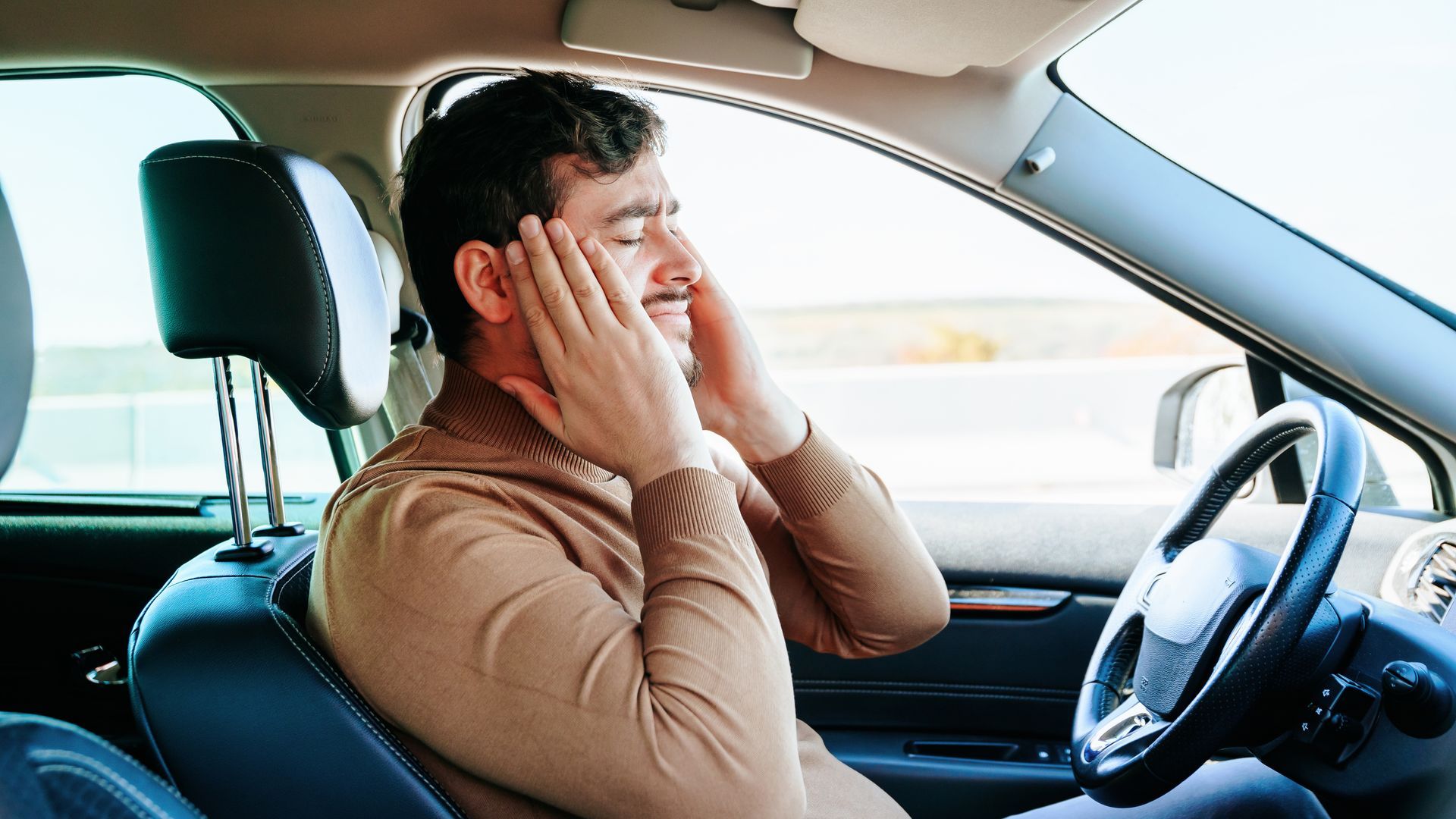
The time change can also increase physical tension. When you’re tired, many people unconsciously brace through the shoulders and jaw, grip the steering wheel harder, and sit more rigidly. That bracing can trigger neck pain, headaches, and upper back tightness even without an accident.
People Also Ask: Does Lack Of Sleep Increase Car Accidents?
Yes, sleep loss is associated with increased crash risk because it affects reaction time, judgment, and sustained attention. Even a single hour less sleep can impact alertness the next day. The safest move around Daylight Saving Time is to plan for earlier nights, reduce rushed driving, and build in extra travel time, especially on unpredictable March roads in Edmonton.
Simple Ways To Drive Safer The Week Of Daylight Saving Time
You don’t need a complicated plan. The goal is to reduce fatigue and reduce rushed decisions.
Try these practical strategies:
- Go to bed 15–20 minutes earlier for 3–4 nights leading up to the time change.
- Avoid driving right after a heavy meal; take a short walk instead.
- Use a “buffer” commute: leave 10 minutes earlier so you’re not speeding or braking hard.
- Keep your car bright and clear: clean headlights and windshields improve visibility in slushy conditions.
- If you feel drowsy, stop. A short break is safer than pushing through.
A Physiotherapist’s Tip: Reduce “Bracing” While Driving
Bracing is when you hold tension in your neck, shoulders, and core as if you’re preparing for impact. It’s common during winter driving and even more common when you’re tired.
Try this quick reset at red lights (when safe):
- Unclench your jaw and let your tongue rest on the roof of your mouth.
- Drop your shoulders away from your ears.
- Lighten your grip on the wheel while staying in control.
- Take one slow breath in through the nose and out through the mouth.
- This can reduce headache triggers and upper back tightness during longer drives.
If A Minor Crash Happens: What To Watch For Afterward
Even low-speed collisions can cause whiplash and back pain. Symptoms may be immediate or delayed 24–72 hours.
Common post-MVA symptoms include:
- Neck stiffness, reduced range of motion, or a “heavy head” feeling
- Headaches, especially near the base of the skull
- Shoulder and upper back tightness
- Low back soreness or pain with sitting
- Dizziness, nausea, light sensitivity, or brain fog (possible concussion overlap)
- Tingling or numbness into the arm
If symptoms are worsening, affecting sleep, or making it harder to work or drive, it’s time to get assessed. If you experience severe headache, fainting, repeated vomiting, confusion, or new weakness, seek urgent medical care.
How Physiotherapy Helps After A Daylight Saving Time Collision
If you’re injured in an MVA, early physiotherapy can help reduce protective stiffness, restore movement, and build confidence returning to driving and work. At Healing Haven Physiotherapy in Edmonton, your plan may include hands-on therapy, mobility and strengthening exercises, posture correction, and education on pacing.
Depending on your assessment, care may also include:
- Dry needling/IMS to reduce muscle guarding and trigger points
- Vestibular rehab if dizziness or balance issues persist
- Concussion management strategies when symptoms suggest brain involvement
- Massage therapy to reduce tension and improve sleep comfort
We also support MVA paperwork and direct bill many major auto insurance companies, helping you focus on recovery.
March In Edmonton: The Perfect Storm For Fatigue And Flares
The spring-forward week often coincides with changing road conditions. Slush, glare, potholes, and sudden stops can increase both collision risk and post-drive aches. Addressing sleep, posture, and bracing habits now can prevent pain flare-ups and reduce your odds of ending March with an injury claim.
Drive Safer, Recover Smarter
Daylight Saving Time is a small shift with a real impact. Protect your sleep, give yourself extra time on the road, and pay attention to early symptoms if you’ve been in a crash.
Book MVA Physiotherapy In Edmonton At Healing Haven Physiotherapy
If you’ve been in a motor vehicle accident and you’re dealing with neck pain, headaches, dizziness, or back pain, Healing Haven Physiotherapy can help. Book an assessment today for evidence-based whiplash and concussion care, plus guidance with insurance steps so you can get back to driving comfortably and safely.