Custom Foot Orthotics: Signs Your Spring Walks Need More Support Now
April in Edmonton is when many people finally get back to longer walks. Sidewalks clear, daylight stretches out, and steps climb quickly after a winter of shorter outings. If your feet, heels, knees, or hips start aching as your activity increases, it may not be “just getting back into it.” It may be a sign your feet need better support.
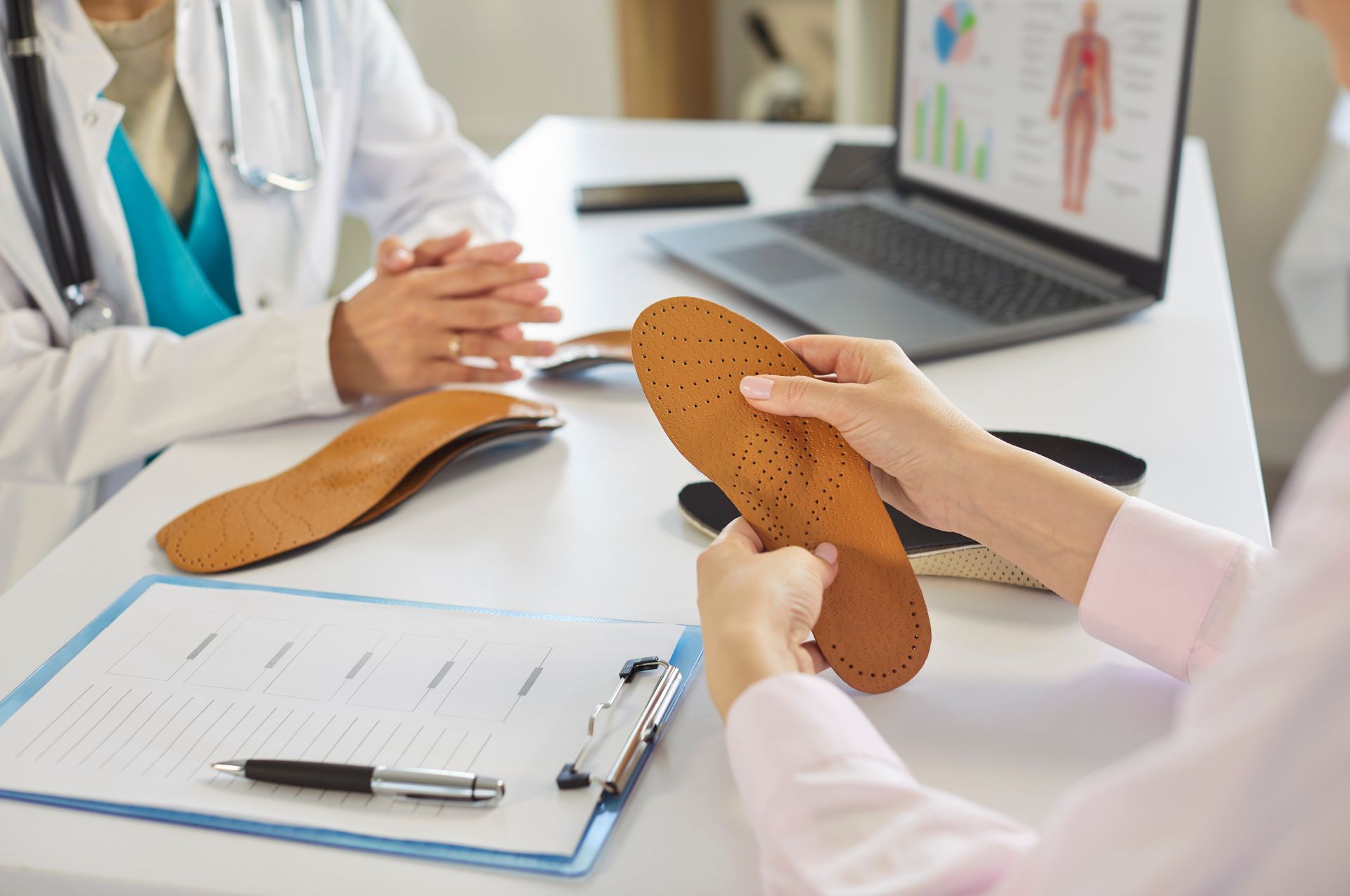
At Healing Haven Physiotherapy, we provide custom foot orthotics in Edmonton using Footmaxx 3D scanning technology. Orthotics are not one-size-fits-all insoles. They’re custom-made medical devices designed to align the foot and ankle into a more efficient position, reducing stress on joints and soft tissues from the ground up.
Why Spring Walking Triggers Foot And Lower-Limb Pain
Winter changes how we move. When it’s icy, we shorten our stride, brace through the ankles, and spend more time indoors. In April, people often jump from “a few thousand steps” to long walks, running, or standing more at work. That sudden load increase can expose biomechanics that were manageable in winter but become painful in spring.
Foot support matters because the foot is your foundation. If the arch collapses too much (flat foot) or stays rigid (high arch), your body may compensate up the chain: ankles, knees, hips, and even the low back.
Common Signs Your Spring Walks Need More Support
Foot pain often starts subtle, then builds over a few weeks. Watch for these signs:
- Heel pain first thing in the morning or after sitting (often associated with plantar fasciitis)
- Arch pain or fatigue that increases with longer walks
- Pain on the ball of the foot (metatarsalgia)
- Ankle pain or frequent “rolling” of the ankle
- Knee pain during walking or stairs (including runner’s knee/patellofemoral pain)
- Hip or low back soreness after standing or walking
- Shoes wearing out unevenly, especially at the inner heel or forefoot
If these symptoms are recurring, custom orthotics may reduce strain by improving alignment and load distribution.
People Also Ask: Do Custom Orthotics Really Work?
Custom orthotics can be very effective when they are prescribed for the right problem and fitted properly. They don’t “cure” every condition, and they’re not a replacement for strengthening and mobility work. But for many people, orthotics reduce pain by supporting foot mechanics, decreasing overload on irritated tissues, and improving how forces travel through the legs. The best outcomes happen when orthotics are combined with a clear physiotherapy plan, appropriate footwear, and gradual activity progression.
Conditions That Often Improve With Custom Foot Orthotics
At Healing Haven Physiotherapy, we commonly see orthotics help with:
- Plantar fasciitis and heel spurs
- Flat foot or high-arched foot pain
- Metatarsalgia and forefoot pain
- Ankle arthritis or chronic ankle instability
- Patellofemoral pain syndrome (runner’s knee)
- Compensatory hip, knee, and back pain related to foot mechanics
Orthotics can also be helpful if you stand for long shifts, such as in healthcare, trades, retail, or hospitality, where fatigue and foot pain can build by the end of the day.
What Makes Footmaxx Orthotics Different
Not all orthotics are created equal. Our Footmaxx system uses innovative 3D scanning technology to capture the shape and alignment of your feet accurately. That scan helps create a custom orthotic that matches your structure and goals, whether you’re returning to walking, managing chronic pain, or preparing for summer sports.
Your appointment includes a biomechanical assessment, discussion of your symptoms, and recommendations for footwear and activity modification while you adapt.
How To Break In Orthotics Without Making Things Worse
Orthotics should feel supportive, not painful. A gradual break-in plan helps your body adapt.
A common approach:
- Days 1–3: Wear for 1–2 hours per day, then remove.
- Days 4–7: Increase to 3–4 hours per day if symptoms remain stable.
- Week 2+: Build toward full-day wear as tolerated.
If you notice new pain that doesn’t settle, it may mean your body needs a slower progression or the fit needs review.
Orthotics And Insurance: What Edmonton Clients Should Know
Many extended health plans cover custom foot orthotics, but insurance companies typically do not allow direct billing for orthotics. In most cases, you submit your claim for reimbursement with the required documents. Many insurers also require a physician’s prescription, so it’s a good idea to confirm your plan’s requirements before your fitting.
Why Orthotics Work Best With Physiotherapy
Orthotics support your structure, while physiotherapy helps you build capacity. If you have plantar fasciitis, for example, your plan may also include calf and foot strengthening, mobility work, and load management. If knee pain is the issue, hip and quad strengthening plus gait strategies often improve results.
Spring In Edmonton: Walk More, Hurt Less
April is the perfect time to address foot pain before summer. The earlier you improve support and mechanics, the easier it is to increase steps without flare-ups.
Book A Custom Foot Orthotics Appointment At Healing Haven Physiotherapy
If your spring walks are bringing on heel, arch, knee, or hip pain, Healing Haven Physiotherapy can help. Book an assessment for custom foot orthotics using Footmaxx 3D scanning and get a personalized plan to move comfortably, confidently, and pain-free.