Vestibular Rehabilitation: What it is and How it Can Help You
Many people don’t realize their suffering from vertigo or dizziness is actually from a vestibular disorder . Some suffer only mildly irritating issues, whereas others’ lives are entirely affected, and they may not even be able to drive. Managing symptoms of vestibular dysfunction may include medication, but often people find relief with vestibular rehabilitation .
To help you better understand what causes vestibular issues and how to treat them, we will explore the essential details of these troublesome conditions to find accessible solutions.
Vestibular Disorder Explained
Vestibular disorders involve the vestibular system, which consists of the central system ( the brain and brainstem) and the peripheral system (inner ear and brainstem pathways). They occur from head trauma and concussions, repeated ear infections of various kinds, and vestibular system degeneration, which more often happens to the elderly.
Common symptoms are the following:
- Vertigo
- Dizziness
- Nausea
- Blurry/Bouncy vision
- Imbalance/Disequilibrium
- Hearing Changes
- Problems with coordination, thinking, or memory
The most common vestibular disorder is BPPV, or benign paroxysmal positional vertigo. While there is no cure for vestibular disorders , thankfully, people manage their symptoms with vestibular rehabilitation therapy (VRT).
What is Vestibular Rehabilitation?
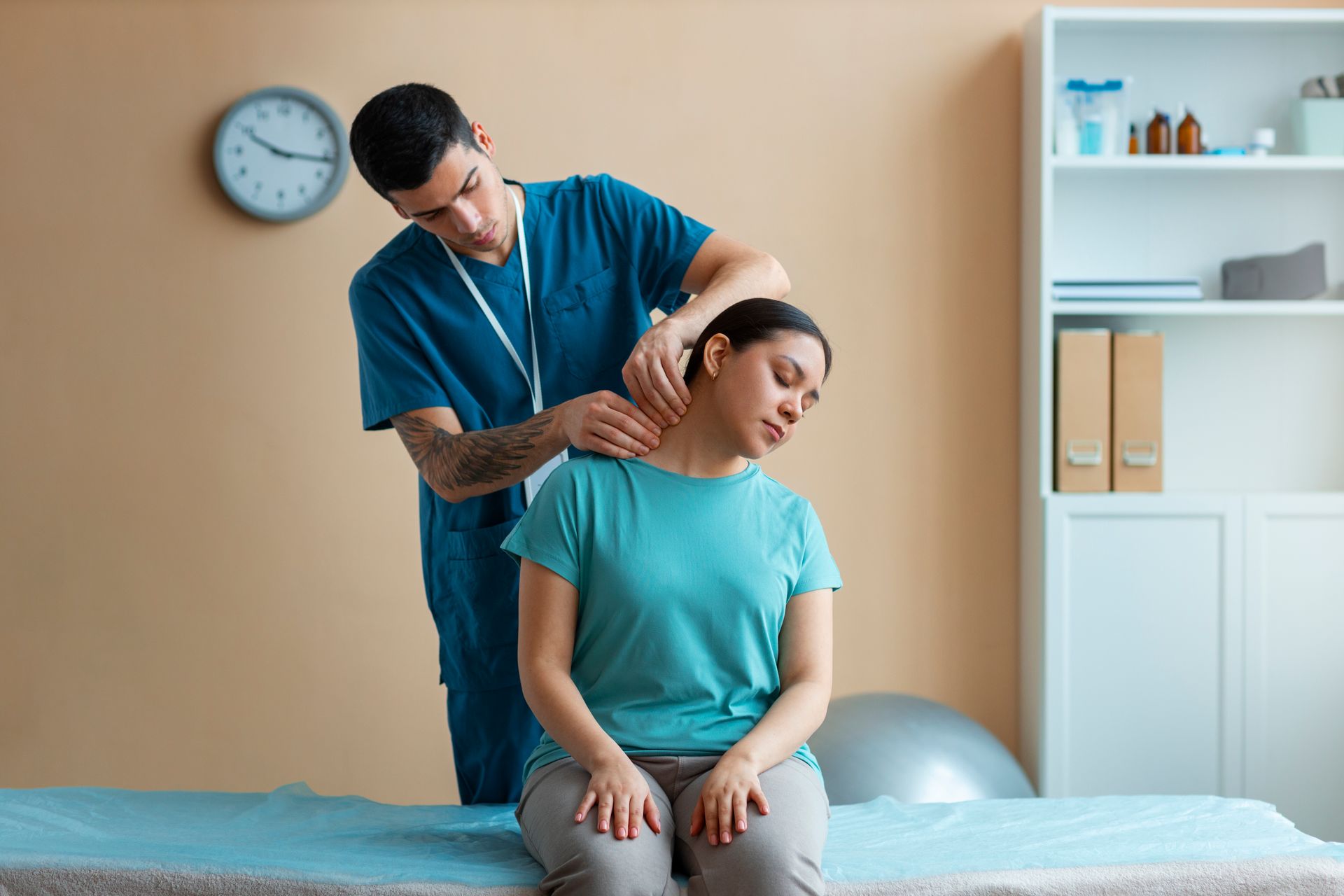
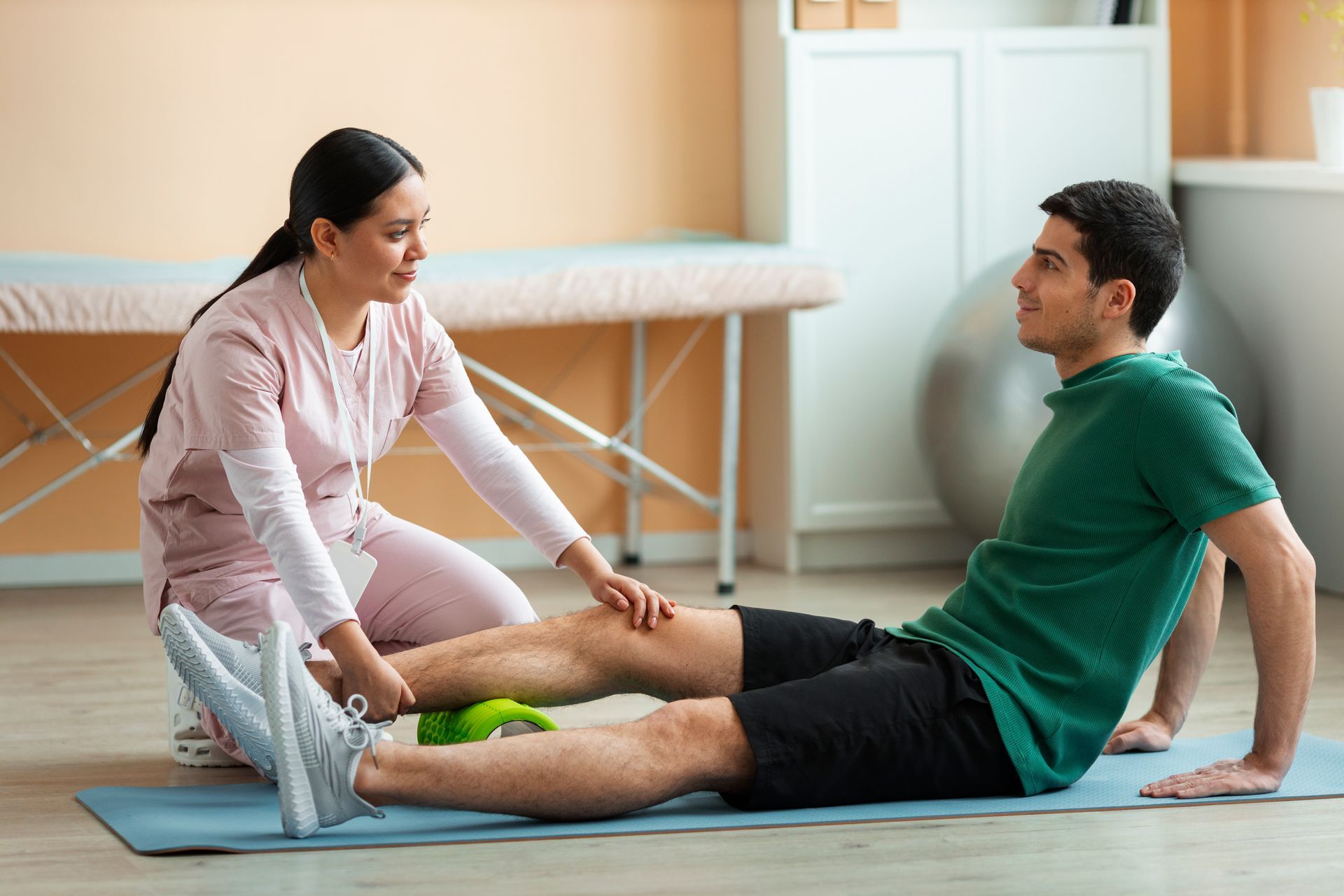
Vestibular rehabilitation therapy is a form of physiotherapy that focuses on and alleviates symptoms caused by disruptions to the vestibular system. Trained physiotherapists design targeted rehab programs to help their clients with the goal of:
- Gaze Stability
- Postural Stability
- Improved Vertigo
- Improved Daily Activities
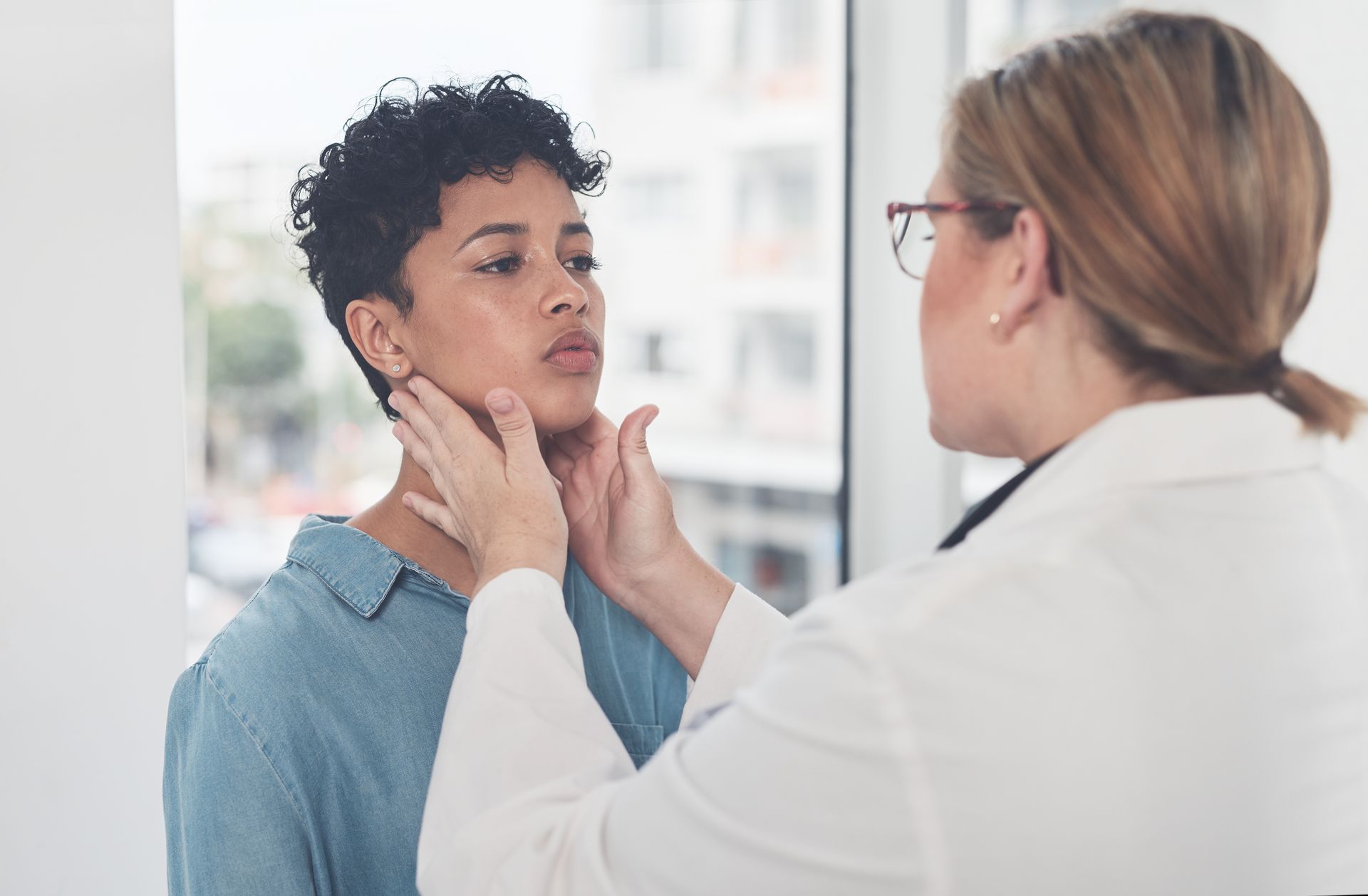
As each client has specific needs and symptoms, the therapist will take a detailed medical history and perform neurological testing. They then form an action plan that includes corrective exercises and movements.
In addition to physical therapy activities, your therapist may provide educational material to help you better understand your condition and how to avoid related issues.
Who Can Benefit From it?
Anyone suffering from BPPV or other related disorders will benefit from vestibular rehabilitation . Sufferers can be any age, although symptoms tend to appear as you get older.
The vestibular system provides two main functions: it allows the eyes to stay focused while the head is moving and sends signals to the muscles that control balance. Vestibular dysfunction stems from disturbances to the inner ear, central system, or both.
In particular, people with severe symptoms due to head trauma will find relief from disorientation, dizziness, trouble focusing, and even nausea.
What to Expect During Your Appointment
After the initial consultation and assessment, your therapist will begin your therapy. Be prepared; your assessment and neurological testing may take up to two hours, with your next appointment being the start of treatment. As with any rehabilitation, you will want to wear loose-fitting, comfortable clothing as you move around.
Then, you will be encouraged through a series of exercises designed to stimulate the brain and, through repetition, reprogram it to understand the signals it is receiving.
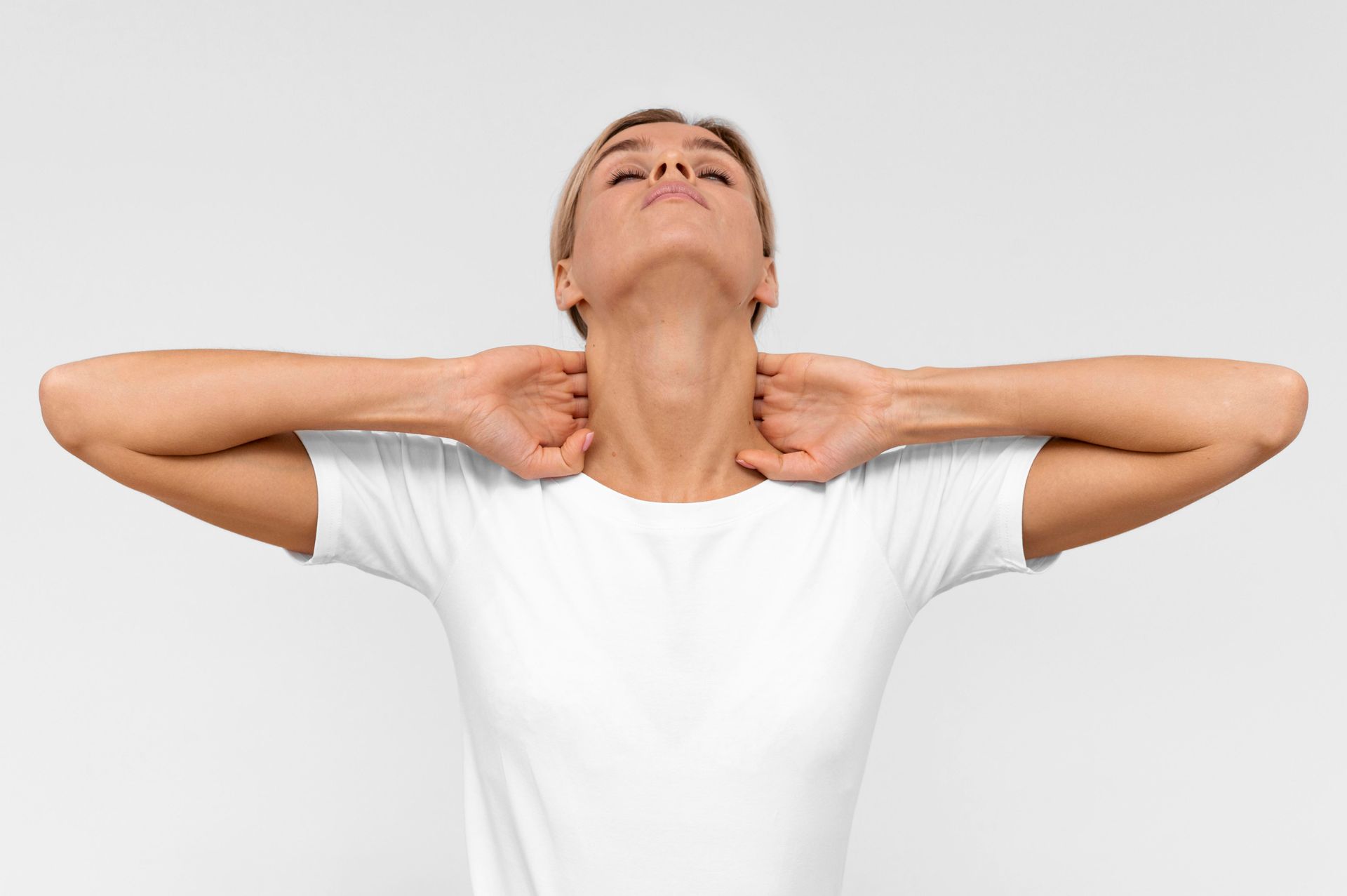
Exercises may include laying, sitting, and standing with eye movements, shoulder shrugs, and moving around. In addition, your instructions may consist of in-clinic and at-home exercises.
Treatment can range from six to 8 weekly sessions, depending on the extent and duration of the issue. Yet, people often see results within one or two sessions.
Alleviate Your Vestibular Symptoms
Now that you know more about this condition and its treatment, you no longer have to suffer from debilitating symptoms. With the help of Healing Haven Physiotherapy in Edmonton, AB., you can alleviate your condition and begin enjoying your life again. Their friendly and understanding staff will guide you through a tailored physiotherapy program specific to your needs and goals.
Your vestibular issues are treatable, so take charge and get treatment today by scheduling your appointment online or calling 587-735-6272.