Dry Needling 101
If you are like most people, the thought of needles anywhere near your skin is enough to make you break out in a cold sweat. Although what if we told you that there was a treatment that could relieve your pain, improve your range of motion, and promote healing? That treatment is called dry needling, and it’s becoming increasingly popular among physical therapists as a way to treat a wide range of conditions. Here’s everything you need to know about this unique form of therapy.
What Is Dry Needling?
Dry needling is a type of physical therapy that involves inserting thin needles into the muscles to relieve pain and tension. The needles used in dry needling are much thinner than the needles used for traditional acupuncture. Dry needling is sometimes also referred to as trigger point dry needling or myofascial trigger point dry needling.
The theory behind dry needling is that by inserting needles into tight, knotted muscles (known as “trigger points”), we can release the muscle tension and improve the range of motion. When these trigger points are released, they can often provide immediate relief from pain. In addition to relieving pain, dry needling can also help improve circulation and promote healing by increasing blood flow to the area.
Dry Needling Benefits
Improves Range of Motion
One of the main benefits of dry needling is that it can help improve range of motion. The needles used in dry needling stimulate the release of chemicals that help to reduce inflammation. This can lead to improved flexibility and range of motion in the affected area. In some cases, dry needling may also be used to help break up scar tissue. This can further improve range of motion and reduce the risk of re-injury.
Relieves Pain and Tension
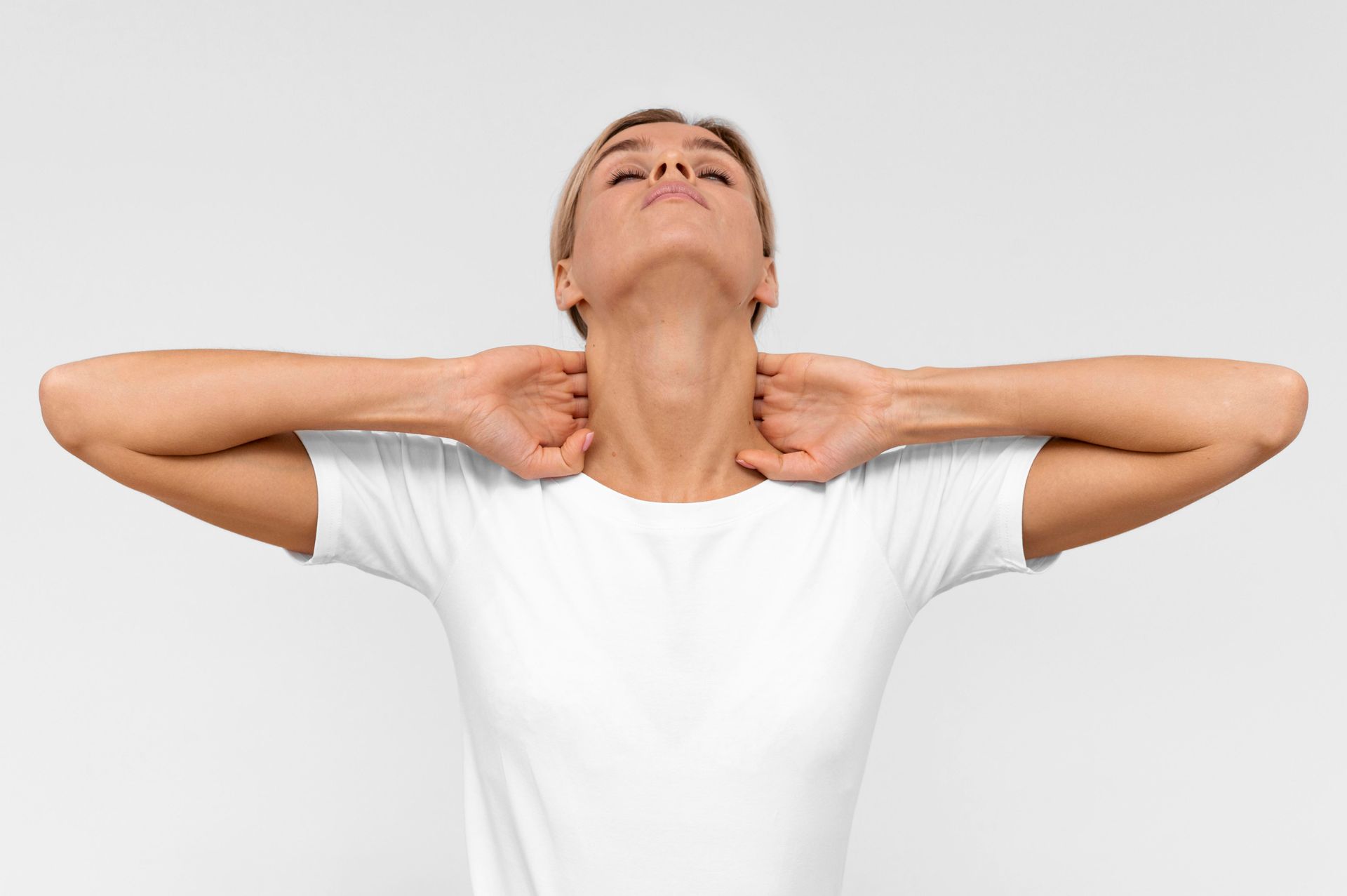
When a professional therapist inserts the thin needles into the muscle tissue, it triggers a local twitch response. This response causes the muscle to temporarily contract and relax, which helps to break up knots of tension and reduce pain. In addition, the needles help to stimulate the release of chemicals that help promote healing. These chemicals include endorphins, which are natural painkillers, and dopamine, which is a neurotransmitter that helps to regulate mood and emotions. If you are struggling with tension, dry needling for neck pain and headaches may be worth considering as a potential treatment option.
Promotes Recovery & Healing
Although the needles used in dry needling are much thinner than those used in traditional acupuncture, the two therapies share some similarities. Both dry needling and acupuncture are based on the belief that stimulating certain points in the body can help to promote healing. Dry needling can help to increase blood flow to the treated area. This increased blood flow helps to deliver nutrients and oxygen to the muscles, which can fast-track your healing journey and road to recovery.
Treats a Wide Range of Conditions
Dry needling can be used to treat a wide variety of conditions, including but not limited to:
- Chronic pain
- Tension headaches
- Migraines
- Joint pain
- Muscle spasms
- Sciatica
- Tennis elbow
- Plantar fasciitis
- Carpal tunnel syndrome
Are You Ready To Feel Better?
If you are looking for an alternative or complementary therapy to aid in your recovery, dry needling may be worth considering. While the thought of needles may be enough to make some people squeamish, the reality is that dry needling is relatively painless and can offer relief from chronic pain, tension headaches, migraines, joint pain, and more.
If you think dry needling may be right for you, contact us today here at Healing Haven Physiotherapy. You can schedule a consultation online or call us at (587) 735-6272 to get started.