Understanding the Role of Dry Needling in Treating Chronic Pain
Dry Needling, also known as Intramuscular Manual Therapy (IMT), is a therapy technique for pain management and rehabilitation. It involves the insertion of thin filiform needles directly into the muscles' trigger points to stimulate a healing response that alleviates pain and improves function.
The Science Behind the Therapy
Purposed to target trigger points - hypersensitive spots within the muscle that can cause pain and other discomforts - the therapy works by eliciting local twitch responses. These responses are spinal cord reflexes that can help reduce muscle tension and deactivate trigger points. This, in turn, reduces pain, enhances movement and alleviates the various symptoms associated with trigger points.
How is it beneficial in treating chronic pain?
Chronic pain is typically associated with long-term musculoskeletal problems. By targeting trigger points, Dry Needling can rapidly reset the muscle to its normal functioning state, significantly reducing pain and enhancing muscle activity. Furthermore, by building up an inflammatory response, it promotes local healing and restores normal tissue structure.
What conditions can be treated?
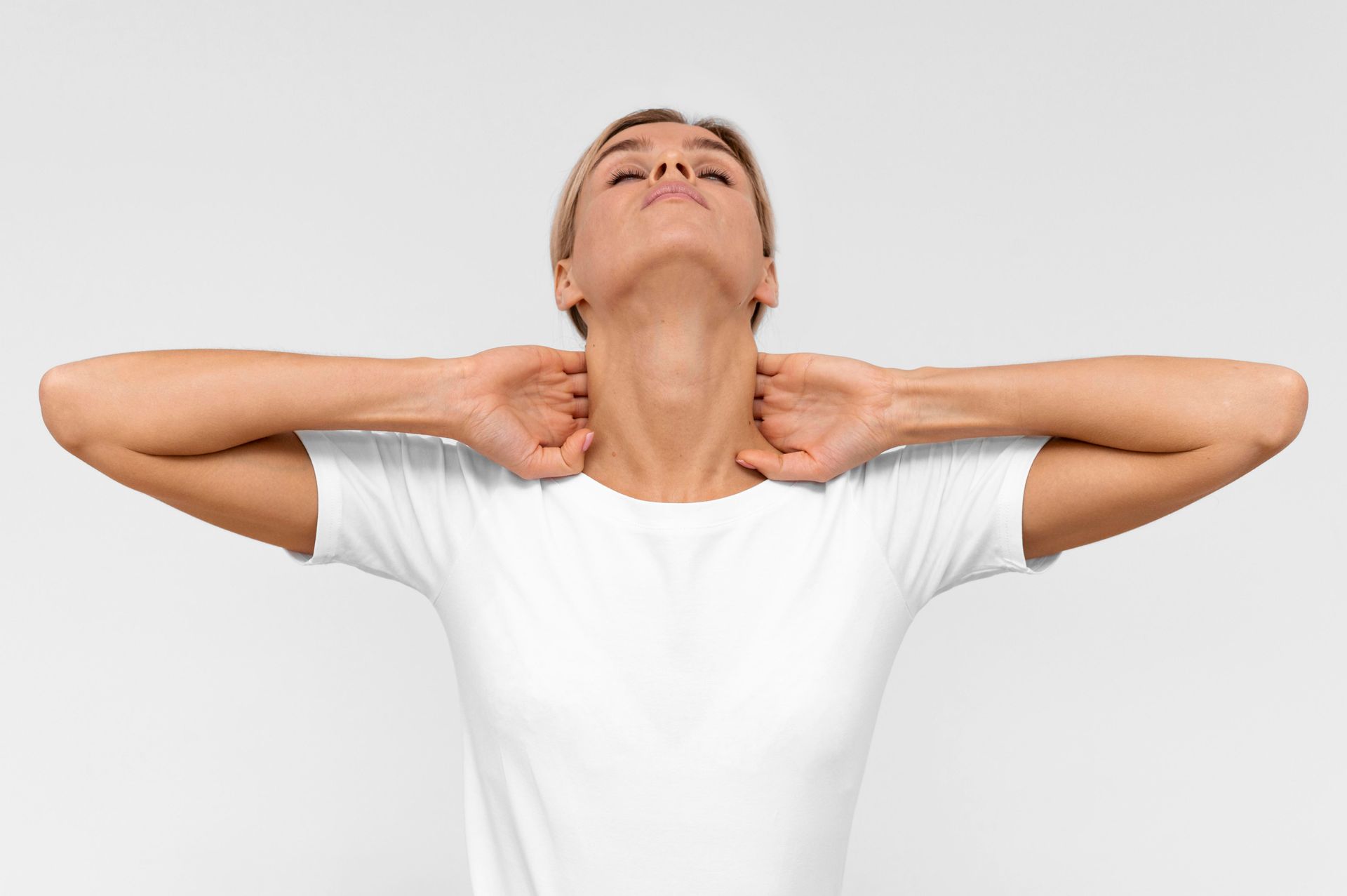
Dry Needling is effective in treating various conditions that result in chronic pain. These can be musculoskeletal problems including but not limited to chronic back pain, neck pain, tension-type headaches, TMJ dysfunctions, carpal tunnel syndrome, and fibromyalgia.
Who can benefit?
From athletes experiencing muscular pain and tension due to strenuous activities, to office workers suffering from computer-related injuries and back pain, Dry Needling can prove to be a beneficial treatment. It can also serve as an effective adjunct therapy for those undergoing physiotherapy for rehabilitation.
What to expect during a Dry Needling treatment?
A typical Dry Needling treatment session at our clinic, Healing Haven Physiotherapy, begins with a comprehensive evaluation of your condition. Following this, our certified therapists will use sterilized, single-use fine needles to puncture the skin and stimulate the underlying myofascial trigger points.
Although the needling process may cause minor discomfort, most patients report experiencing relief and relaxation after the session. The treatment's duration varies depending on the individual's condition, but typically lasts between 30 to 60 minutes.
Embrace the Relief with Healing Haven Physiotherapy
At Healing Haven Physiotherapy, we are dedicated to providing innovative therapies that help our patients get back to doing what they love. If you suffer from chronic pain, Dry Needling could be a solution worth exploring. Our experienced and certified therapists will work with you to develop an integrated treatment plan tailored to your needs.
If you'd like to learn more about how Dry Needling can benefit you, we invite you to visit our website or contact us directly at Healing Haven Physiotherapy in Edmonton. Our team is ready to guide you on your journey towards recovery.
Don't let chronic pain control your life. Contact Healing Haven Physiotherapy today and discover the difference Dry Needling can make in your treatment and rehabilitation process.