What Happens to Your Body After a Car Accident? Edmonton’s Physiotherapist Explains
A sudden traffic collision triggers a massive biological chain reaction that most drivers do not immediately feel. Healing Haven Physiotherapy frequently treats patients who believed they escaped a crash unharmed only to experience intense pain weeks later. The sheer kinetic force of an impact forces the human body far beyond its natural structural limits. Understanding the true physiological aftermath of an auto collision highlights the absolute necessity of prompt medical assessment.
The immediate spike in adrenaline following an accident works as a powerful natural painkiller. This chemical surge tricks the brain into ignoring microscopic tissue tearing so you can navigate the immediate danger of the crash site. Failing to secure motor vehicle accident physiotherapy once that adrenaline wears off allows scar tissue to form incorrectly.
Topics explored in this overview:
- The mechanics of rapid deceleration
- The delayed onset of soft tissue trauma
- Diagnostic protocols for hidden injuries
- Frequently Asked Questions
The Mechanics Of Rapid Deceleration
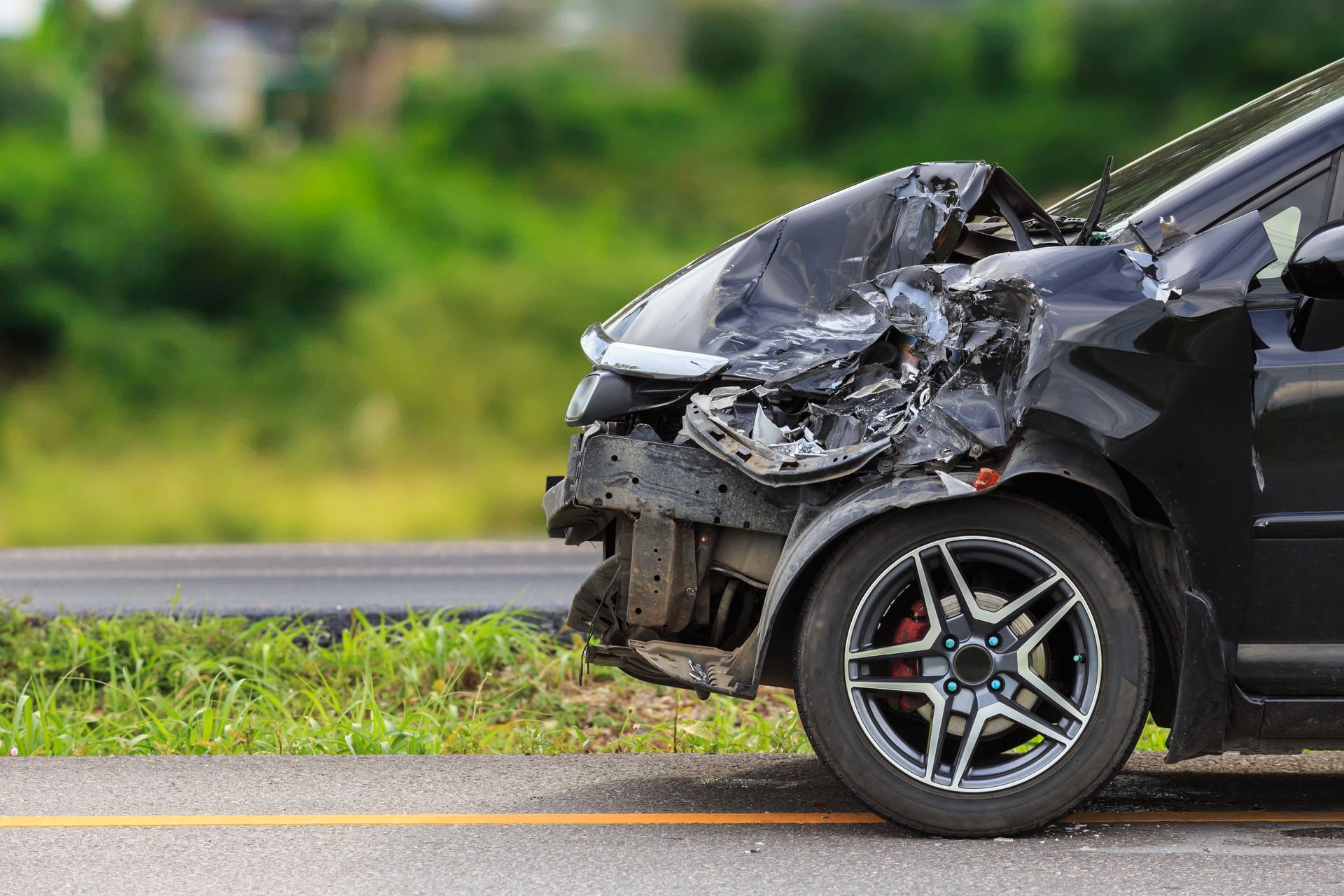
When a moving vehicle strikes a stationary object, the sudden stop transfers massive amounts of kinetic energy directly into the occupants. Patients visiting our Edmonton clinic often ask what happens to your body after a car accident. Even at low speeds, the rapid deceleration whips the heavy human head forward and backward violently. This whipping motion hyper-extends the delicate ligaments and tendons supporting the cervical spine. The muscles surrounding the neck instinctively contract to protect the spinal cord, resulting in severe micro-tearing across the muscle fibers.
The Delayed Onset Of Soft Tissue Trauma
The physical damage to your soft tissue rarely registers immediately. As the initial adrenaline and cortisol levels drop over the following days, the localized inflammation begins to peak. Blood rushes to the torn muscle fibers, causing significant swelling and severe stiffness. This delayed onset muscle soreness mimics the pain of a heavy workout but involves actual structural trauma to the connective tissue. Dismissing this delayed stiffness as normal soreness invites chronic mobility issues.
Diagnostic Protocols For Hidden Injuries
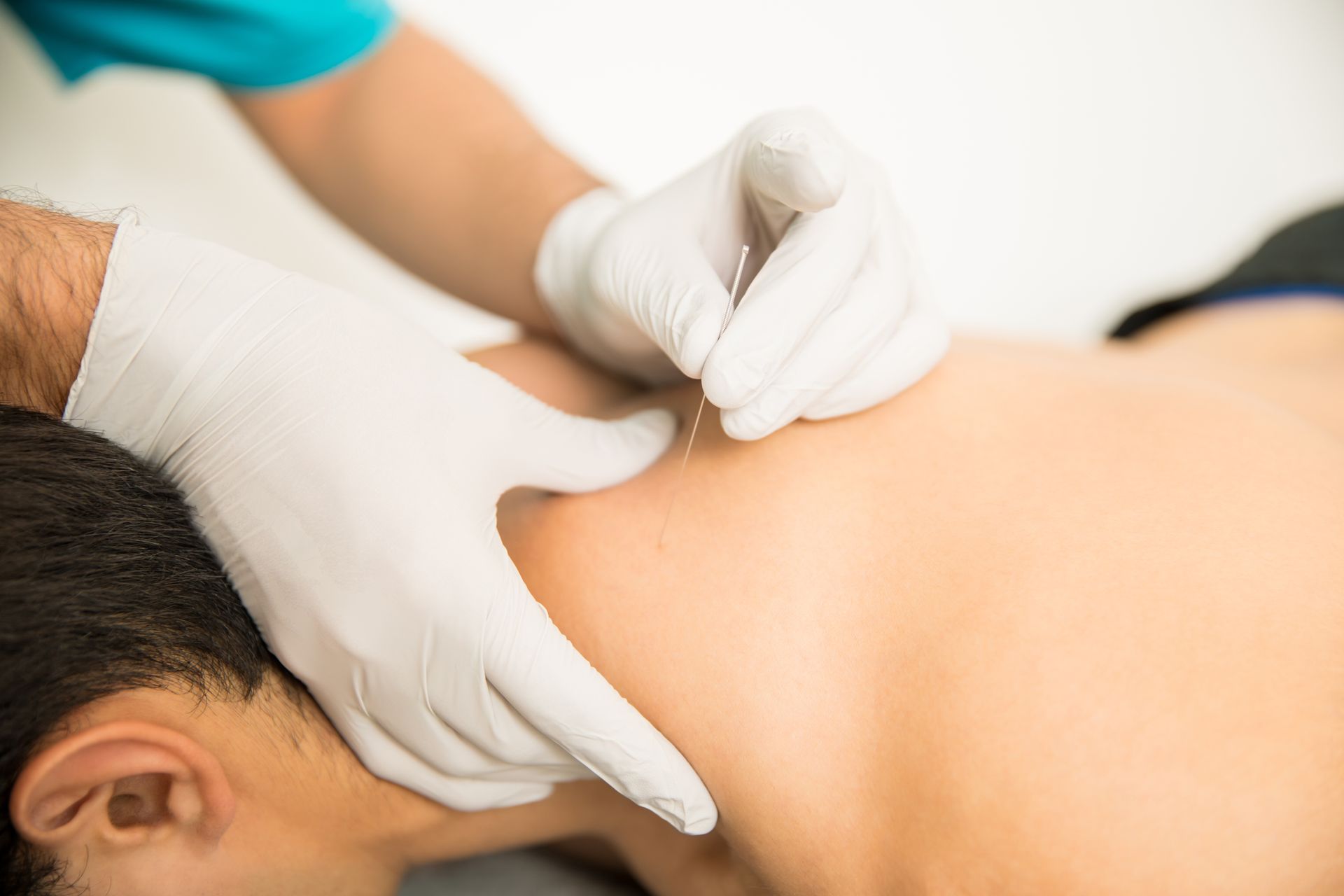
Standard emergency room imaging looks for broken bones and internal bleeding. X-rays do not show the strained ligaments or inflamed fascial tissue that cause lingering post-accident pain. Our clinical team performs specific orthopedic tests to identify exact points of muscular weakness and joint instability. We pair these detailed assessments with targeted massage therapy to promote blood flow and break down restrictive scar tissue before it hardens. We also manage the complex insurance paperwork on your behalf to remove the administrative stress of the recovery process.
Receiving care from an empathetic and knowledgeable team makes navigating the post-collision recovery period significantly easier.
► Client Experience: "From the start they took such great care of me, always kind, professional, and incredibly accommodating. They have done everything possible to help manage my symptoms and make me feel better even with the challenges of my condition."
Anastasiia Borovyk proves that a supportive clinical environment provides crucial reassurance during a difficult medical recovery.
Frequently Asked Questions
How soon after an accident should I start therapy?
You should schedule a physical assessment within the first week of the collision to diagnose hidden injuries before excessive scar tissue sets in.
Do I need a doctor referral to begin treatment?
No you can access our rehabilitation services directly without a prior prescription from a general physician.
Securing Your Physical Rehabilitation
Allowing microscopic muscle tears to heal without professional guidance severely limits your future range of motion. Early intervention ensures your soft tissues repair themselves correctly.
Call our scheduling coordinators today to arrange your post-collision physical evaluation.