Surviving Holiday Stress: How TMJ Jaw Pain Peaks in Edmonton Winters
The winter season frequently brings a surge of unexpected physical tension for residents navigating busy schedules and icy roads. Healing Haven Physiotherapy sees a sharp increase in patients experiencing severe facial and neck discomfort during the colder months. The combination of subconscious shivering and the mental strain of holiday hosting forces the body into a state of continuous muscular guarding. Addressing this deep structural tension requires a clinical understanding of how the temporomandibular joint reacts to sustained stress.
Many people write off a stiff jaw as a minor annoyance instead of recognizing it as a symptom of a larger musculoskeletal issue. Taking a proactive approach to TMJ treatment prevents minor joint clicking from evolving into chronic daily pain. Restoring proper movement to the jaw protects the surrounding facial nerves and preserves the integrity of your teeth.
Inside this clinical breakdown:
- The biological link between anxiety and muscle guarding
- Recognizing the signs of nocturnal bruxism
- Clinical interventions for facial tension
- Frequently Asked Questions
The Biological Link Between Anxiety And Muscle Guarding
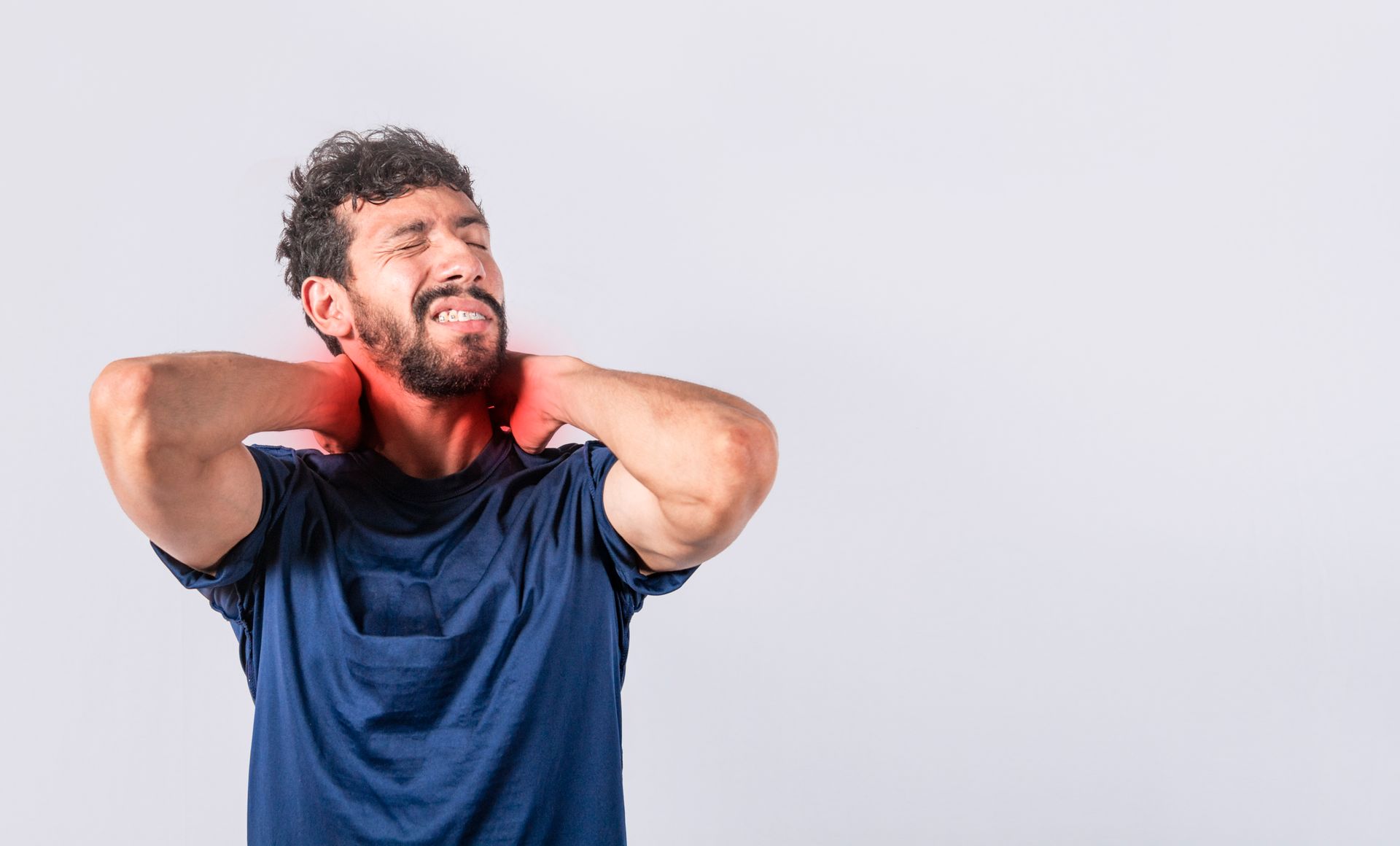
Patients seeking relief regularly ask why does my jaw hurt more when I am stressed. The human body responds to high anxiety by releasing cortisol and activating the sympathetic nervous system. This biological response prepares the body for a physical threat by involuntarily tightening major muscle groups. The masseter muscle in the jaw is particularly sensitive to these stress signals. When you spend weeks planning family gatherings or worrying about winter travel, your jaw muscles remain in a constant state of hypertonic contraction. This endless flexing creates painful trigger points and restricts the natural opening of your mouth.
Recognizing The Signs Of Nocturnal Bruxism
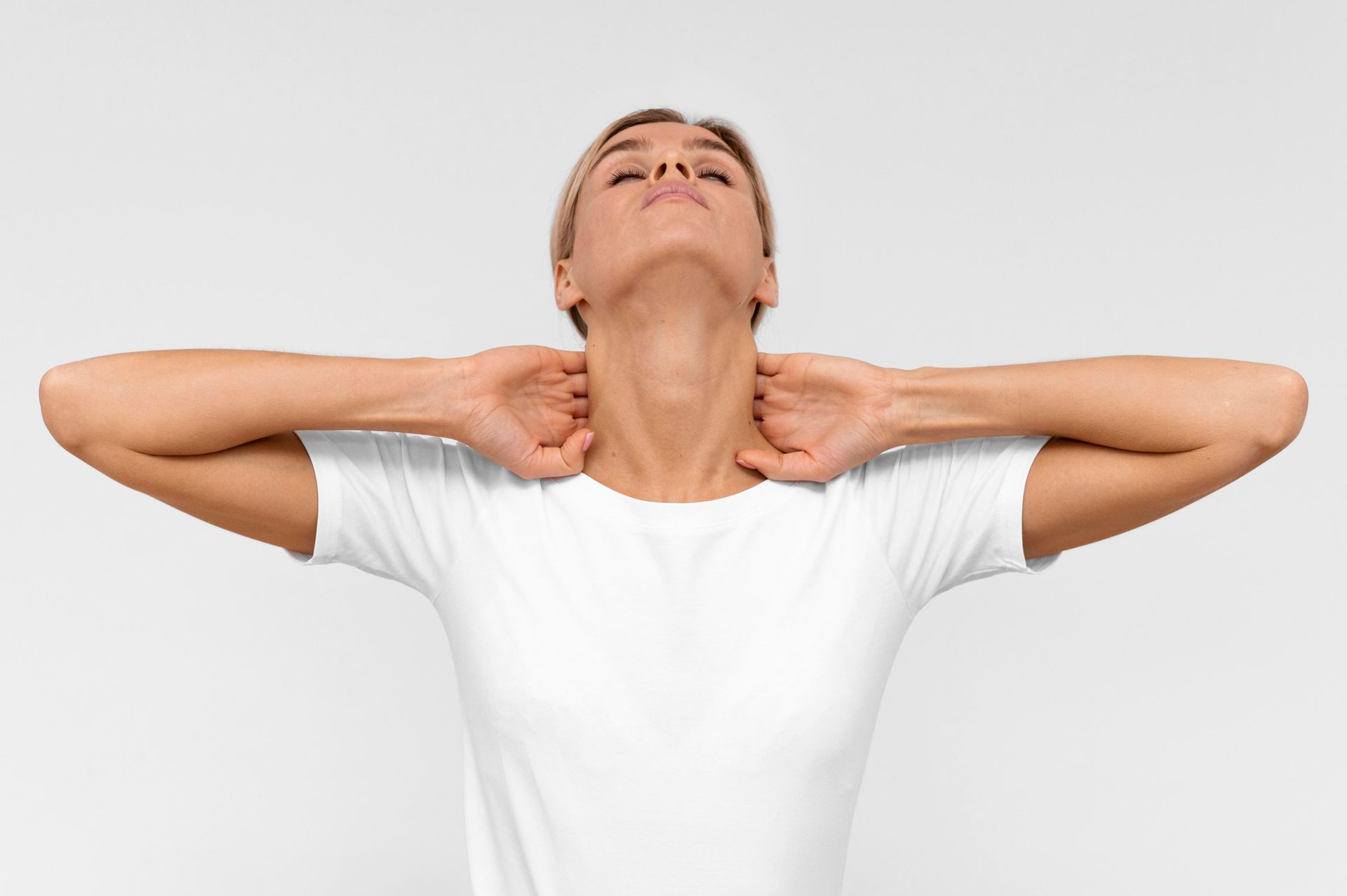
Subconscious teeth clenching often happens while you sleep. Waking up with a dull ache at the base of your skull or sharp pain around your ears indicates severe nighttime bruxism. Over time, this constant grinding wears down the protective enamel on your teeth and puts immense pressure on the articular disc inside the jaw joint. The resulting inflammation radiates outward, causing referred tension across your upper neck and shoulders. Our South Edmonton practitioners closely evaluate these connecting fascial networks to determine the exact origin of your pain.
Clinical Interventions For Facial Tension
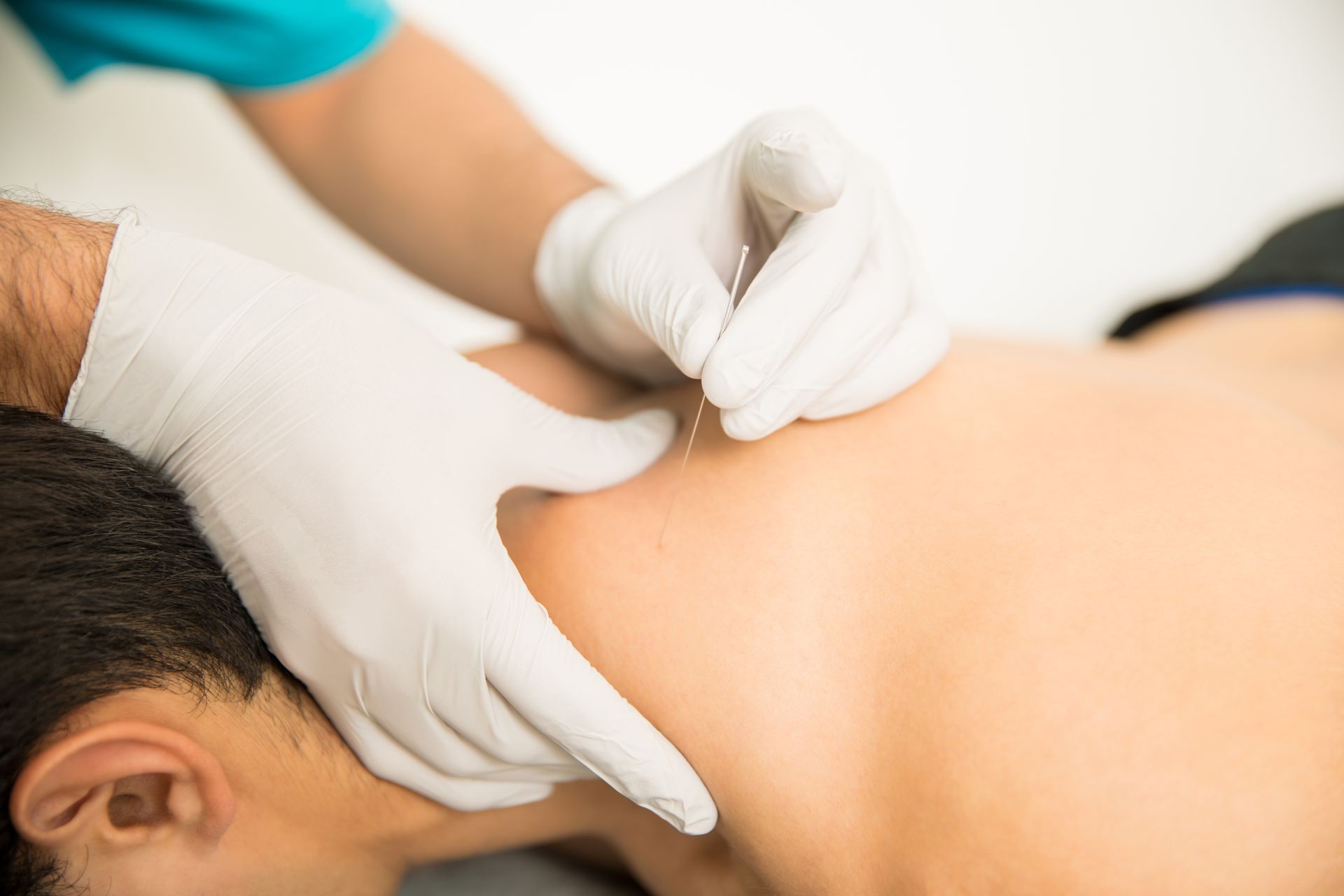
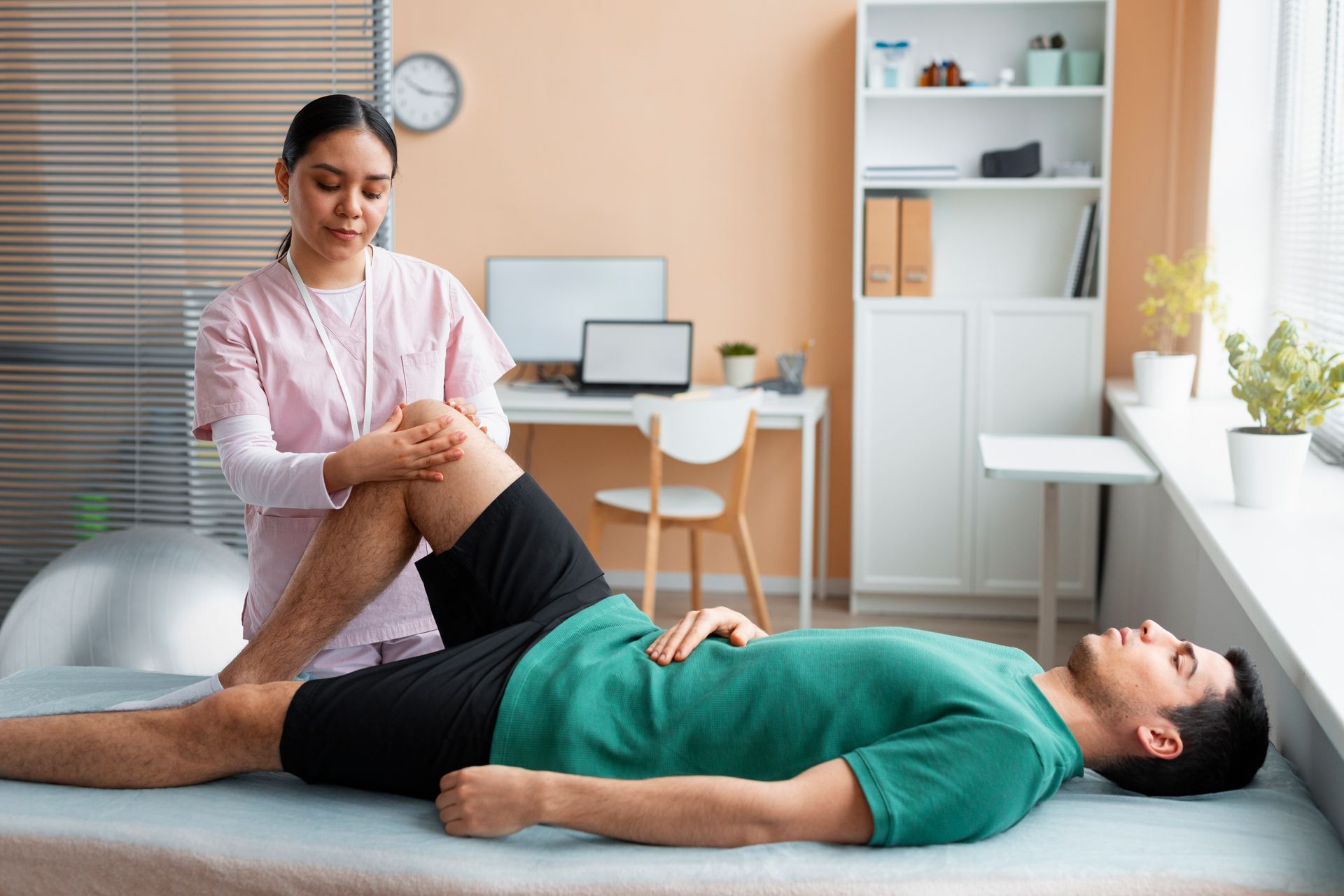
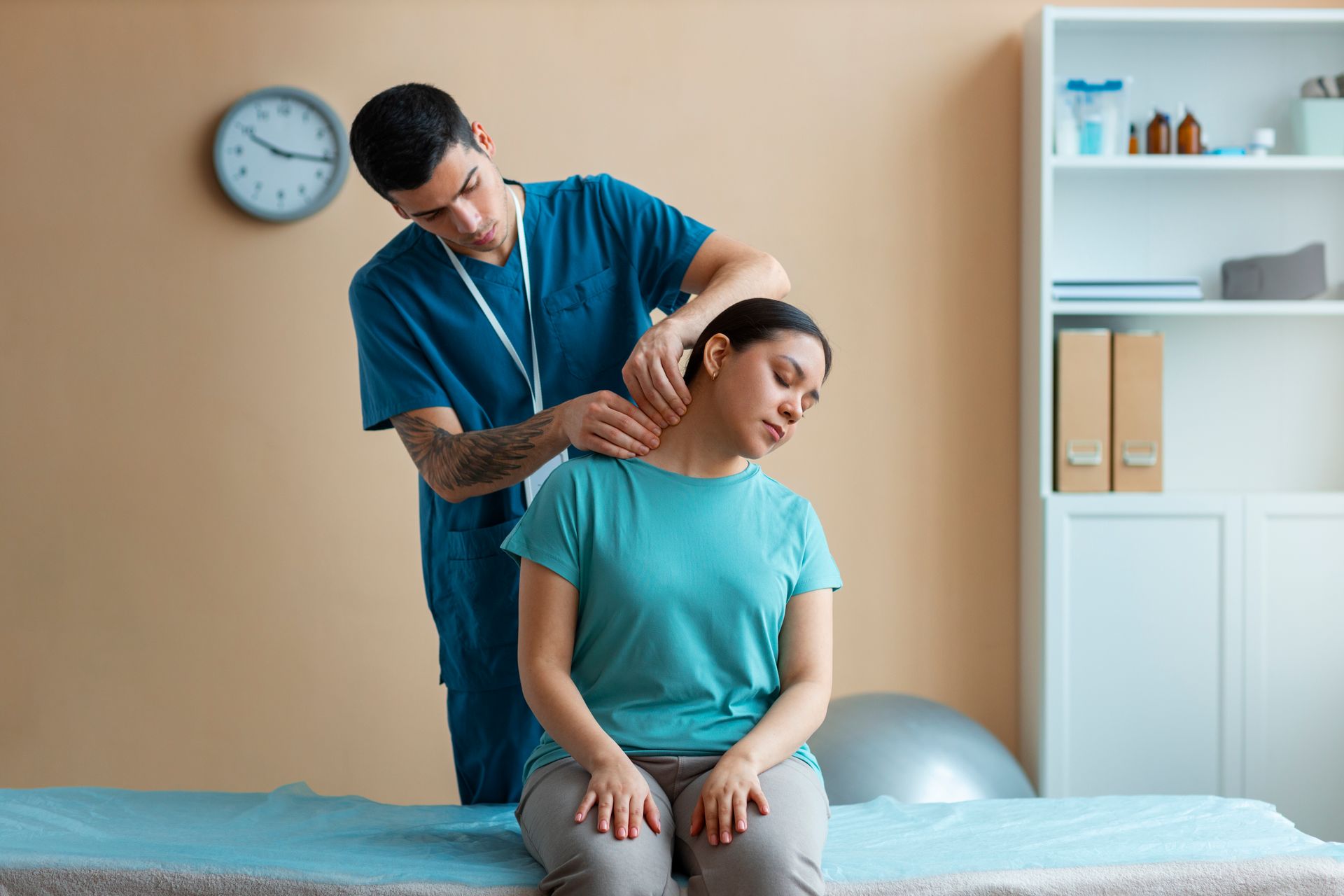
Treating a hyperactive jaw requires targeted manual therapy to release the deep muscle knots. Our physiotherapists apply precise intra-oral and extra-oral pressure to relax the masseter and temporalis muscles. We also incorporate customized dry needling therapy to quickly deactivate stubborn trigger points within the jaw and neck. Alongside these hands-on treatments, we educate patients on proper resting tongue posture to actively reduce strain during the day.
Working with a knowledgeable practitioner ensures you receive a thorough diagnosis rather than a temporary band-aid.
Frequently Asked Questions
Does wearing a night guard stop the muscle tension?
A dental night guard protects your teeth from physical wear but it does not stop the actual muscle contraction or cure the underlying tension.
Can physical therapy fix a clicking jaw?
Yes targeted exercises and manual release techniques restore proper tracking to the joint disc and eliminate painful clicking.
Reclaiming Your Comfort This Winter
Ignoring a stiff jaw during the busy holiday season allows the inflammation to spread into your neck and shoulders. Seeking professional assessment provides you with the exact tools needed to relax your facial muscles and enjoy your daily routine. Reach out to our front desk team to book your initial joint evaluation.