Addressing Post-Concussion Syndrome: A Comprehensive Approach
Every year, countless people suffer from concussions resulting from falls, sports accidents, or vehicular incidents. While many recover from this traumatic brain injury quickly, others may experience lingering symptoms, often referred to as Post-Concussion Syndrome (PCS). If you're grappling with persistent symptoms following a concussion, Healing Haven Physiotherapy can help you with a comprehensive approach to address the syndrome effectively.
Understanding Post-Concussion Syndrome
PCS is a complex disorder defined by symptoms such as headaches, dizziness, cognitive difficulties like memory and attention problems, along with emotional and behavioural changes. Some patients may even experience sleep-related issues. These symptoms might seem scary, but with a proper rehabilitation program, most of them can be significantly mitigated or eliminated.
The Role of Physiotherapy in Managing PCS
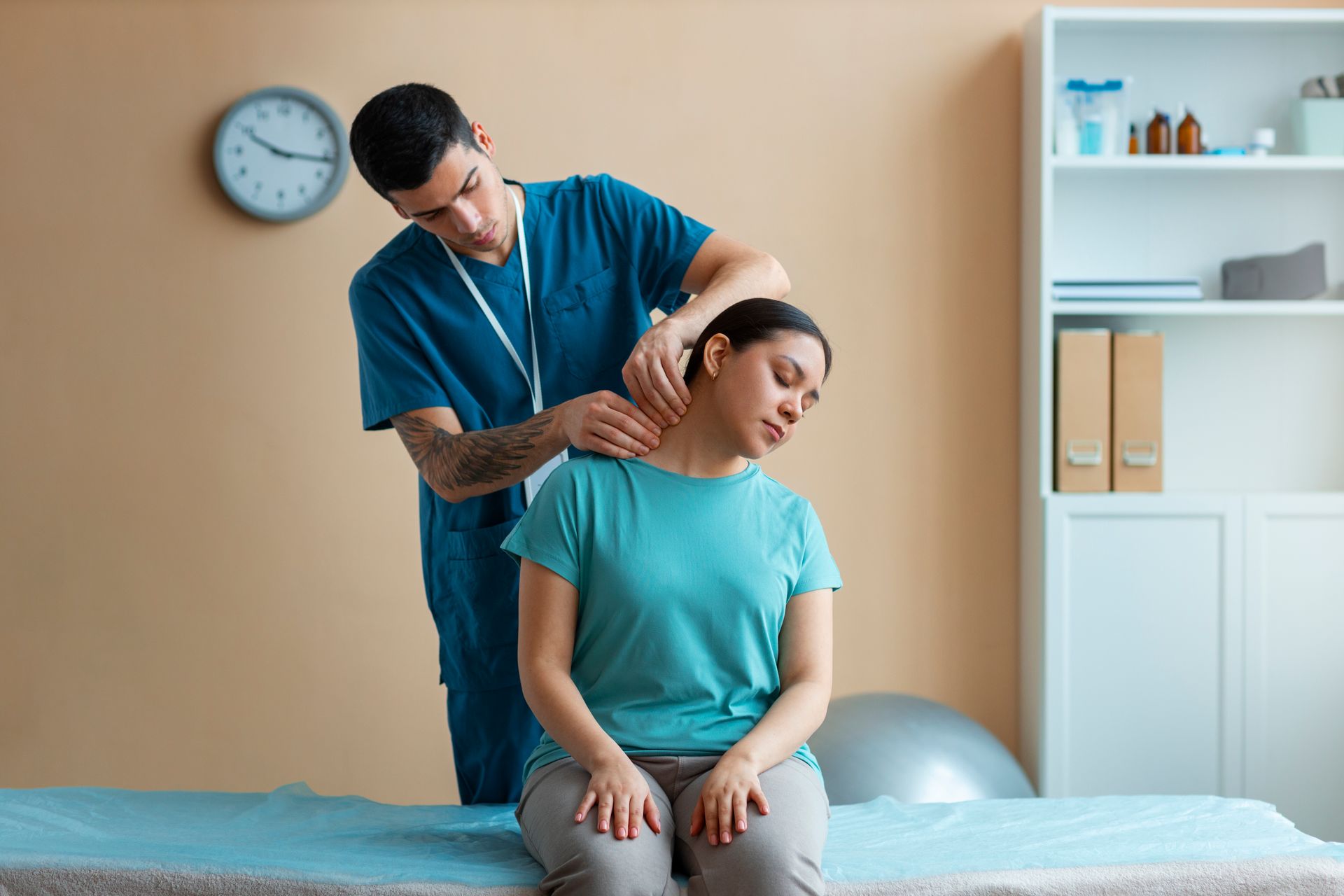
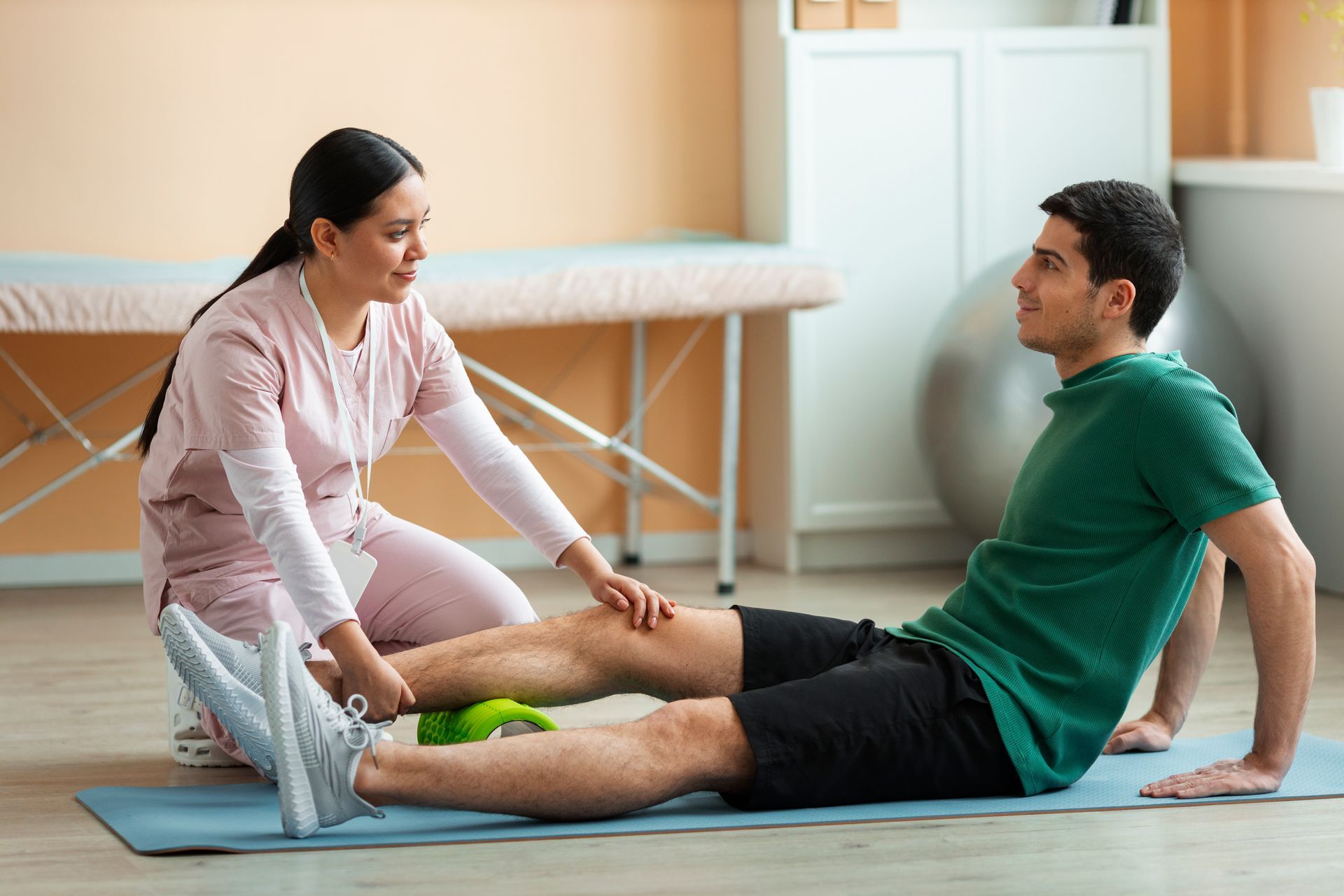
Physiotherapy plays a crucial role in managing PCS. At Healing Haven Physiotherapy, our therapists use an array of interventions to cater to specific symptoms. For example, vestibular rehabilitation can address balance and dizziness problems, while cognitive exercises can improve working memory, attention, and other cognitive skills. Physiotherapy also includes manual therapy, education on pacing and graded exposure to activities, and lifestyle advice to ensure a comprehensive approach to recovery.
Vestibular Rehabilitation
Vestibular rehabilitation is a specialized form of therapy targeting balance and dizziness issues associated with PCS. Our therapists use various techniques to improve balance, reduce dizziness, and instill coping strategies for residual symptoms.
Cognitive Rehabilitation
Cognitive rehabilitation aims to restore functional and cognitive abilities affected by the concussion. At Healing Haven Physiotherapy, we employ a variety of cognitive exercises and strategies to improve mental functions such as memory, concentration, and problem-solving.
Lifestyle Adaptations
Managing PCS involves more than just targeted therapies; it also involves making lifestyle changes to aid recovery. These changes might include regular exercise, good sleep hygiene, stress management, and a healthy diet. At Healing Haven Physiotherapy, we help you to understand these changes and incorporate them into your daily routine.
Living with PCS can be difficult, but with a comprehensive approach to physiotherapy, you can regain control of your life. At Healing Haven Physiotherapy, we're dedicated to helping our patients understand their condition and providing effective treatments to get them back to their regular activities.
If you or a loved one are experiencing PCS symptoms, don't wait for them to worsen. Reach out to us to book an appointment with our skilled therapists. By recognizing and treating symptoms early, we can help ensure the best possible outcome.
Are you or a loved one dealing with the effects of Post-Concussion Syndrome? Remember, you're not alone in your journey to recovery. Contact us at Healing Haven Physiotherapy today, and together let's chart the course to your recovery.